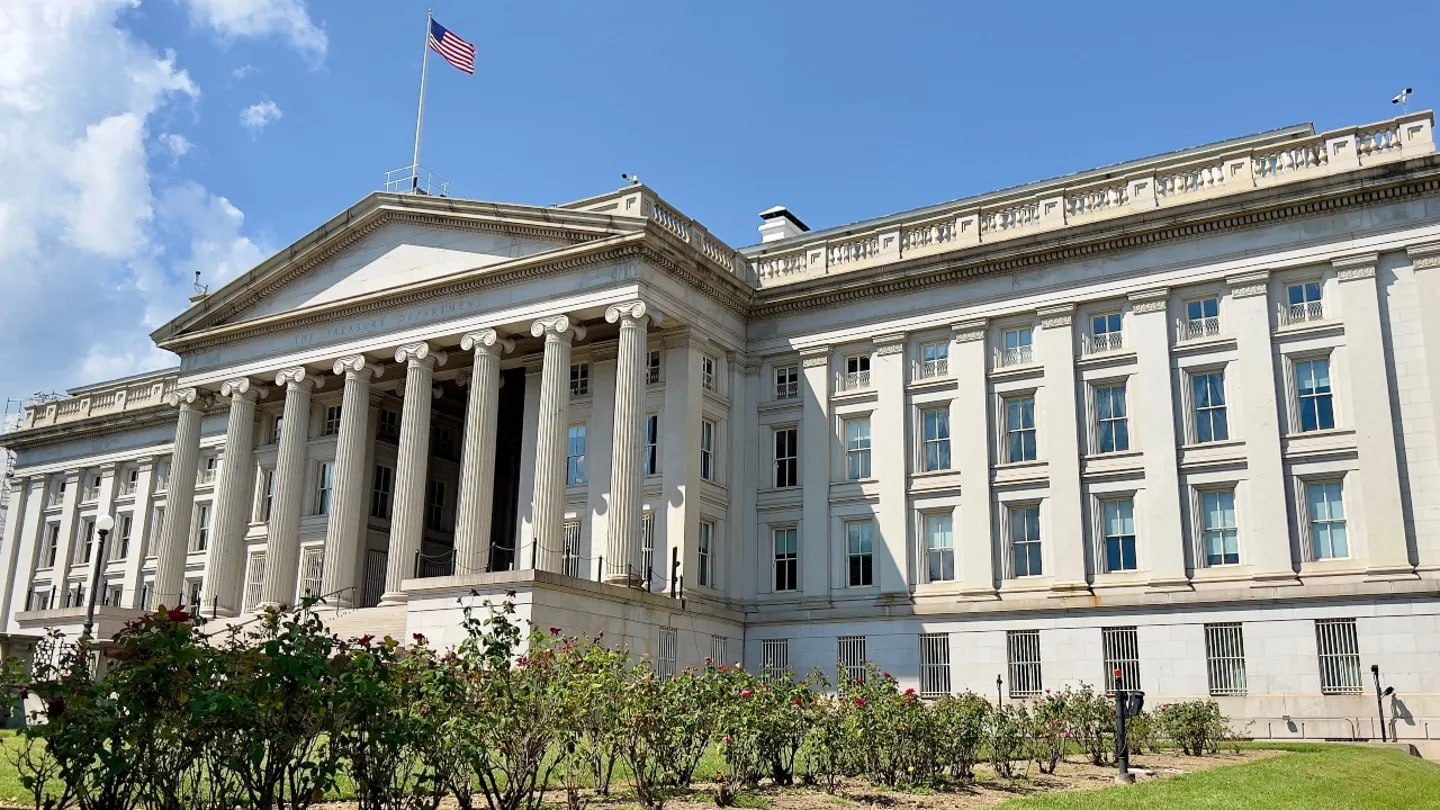
Treasury Revises Syria Rules
The United States Treasury announced on 24 September 2026 that it had amended the federal sanctions regulations governing state sponsors of terrorism, following the removal of Syria from that designation. The change was issued through the Office of Foreign Assets Control (OFAC), the unit that administers US sanctions programs.
The amendment adjusts Part 596 of the regulations, a section the department said had become redundant once the legal status of Syria changed earlier in the process.
General License Withdrawn
The revision eliminates a regulatory provision that had carried a general license specific to Syria. In its statement, the department set out its reasoning:
"We removed a regulatory provision containing a general license for Syria, as it is no longer necessary after ending its designation as a state sponsor of terrorism."
Because the broader designation has been lifted, the department said the narrower authorization it once required no longer served a purpose.
Procedural Terms
The office noted that the amendment was not subject to public notice or comment procedures, describing it as a matter connected to foreign affairs, and it said the Regulatory Flexibility Act did not apply to the change.
It added that any willful violation of the amended regulations could expose the offender to criminal penalties under United States law.
From Delisting to Codification
The step follows an official update issued on 24 August 2026, when the office formally struck Syria from the list of state sponsors of terrorism after a congressional review period closed without objection. That review was set in motion by a notification sent to Congress on 8 July 2026 to begin the delisting.
Syria had remained on the designation for 47 years before the removal took effect.
Wider Economic Horizon
The delisting has been presented as a turning point that could widen Syria's political, economic, and security ties with a range of countries. The latest regulatory adjustment folds that shift into the formal rulebook that governs how firms and banks treat transactions linked to the country.