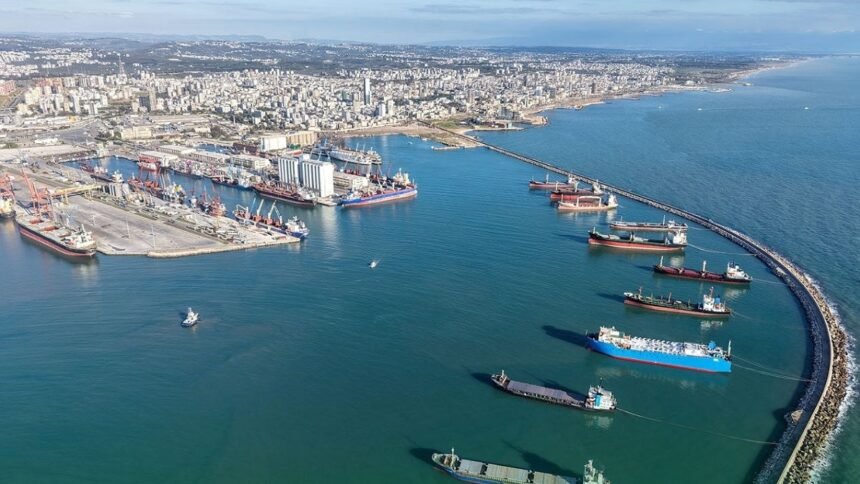
Port Activity Climbs Through April
Syria's Tartus port received 298 vessels and handled more than 2.75 million tons of cargo in the first four months of 2026, according to official data, as the country's main Mediterranean harbor reactivates under newly simplified customs procedures. The arrivals split into 266 cargo ships and 32 maintenance vessels, a pattern that reflects rising commercial demand alongside ongoing dry-dock work.
Imports accounted for the bulk of the throughput at about 2.25 million tons over the four-month window. Exports came to roughly 520,000 tons, with phosphate dominating the outbound mix.
Phosphate Anchors the Export Mix
Around 500,000 tons of phosphate left Tartus from January through April, the largest single export commodity moving through the port. A further 20,000 tons of miscellaneous goods were shipped out during the same period.
The phosphate flow is among the most visible indicators that Syrian commodity exports are returning to international shipping lanes after years of constrained activity, with the mineral now leading outbound trade through the country's principal commercial harbor.
April Drives the Quarterly Total
April alone absorbed the heaviest volume of the year so far. The port logged 100 vessels for the month — 94 cargo ships and six maintenance calls — moving 720,000 tons of imports against 190,000 tons of exports.
That single month accounted for roughly a third of the total tonnage handled at Tartus year to date and produced the strongest single-month showing of 2026 in vessel arrivals.
Customs Easing Behind the Push
The General Authority for Ports and Customs has been rolling out streamlined import-export procedures and transit measures intended to attract additional shipping lines and lift logistical capacity at Syrian ports. Officials credit those steps as the main reason for the rising vessel counts and tonnage volumes at Tartus.
The trend positions Tartus as a vital logistics center for both Syrian-bound cargo and wider regional transit traffic, the data indicate.