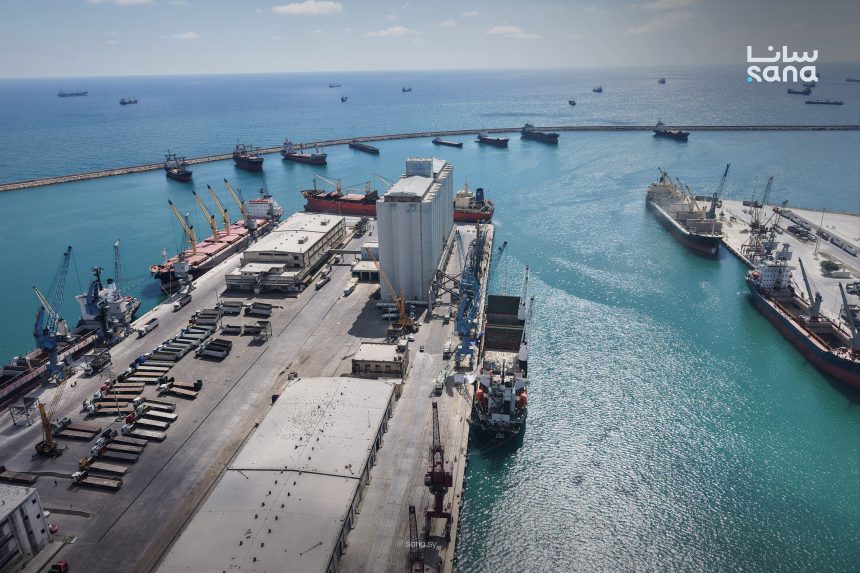
First Iraqi Sulfur Transit
The Syrian port of Tartous loaded its first sulfur shipment from Iraq on 25 May 2026, an initial cargo of roughly 10,000 tons trucked through Jordan and onto a Mediterranean-bound vessel. The General Authority for Ports and Customs handled the operation, which the transport ministry framed as the opening leg of a wider transit programme with Baghdad.
It is the first cargo of its kind to clear Tartous and signals that overland goods from Iraq can again reach world markets via Syrian ports.
Million-Ton Programme
The total volume planned under the arrangement reaches about 1 million tons of sulfur, to be moved in successive batches over the coming months. Transport Minister Badr Yarah said "the government is continuing its efforts to reactivate transit corridors," framing the Iraqi cargo as proof that Syria's logistics infrastructure can absorb industrial throughput at scale.
Sulfur is a low-value bulk commodity, but the headline figure is unusual for the port in recent years and implies sustained truck movement across the Syrian-Iraqi border as further batches are loaded.
Reviving Mediterranean Logistics
The minister positioned the cargo as evidence of "growing confidence" in Tartous as a logistics hub, language echoed in the ports authority's own bulletin. The announcement coincides with the Eid al-Adha holiday window, during which the authority confirmed that ship reception and dispatch will continue uninterrupted at all Syrian seaports, with only a one-day administrative pause on 26 May 2026.
Trade and Revenue Implications
Each transit shipment generates port and customs fees for the Syrian state and feeds work for trucking firms, customs brokers, and stevedores along the Iraq-Tartous route. Transit revenues typically carry a hard-currency component, making bulk cargo revival one of the few near-term levers available to rebuild US dollar (USD) inflows without waiting for sanctions relief on Syrian direct exports.
No fee figures or revenue projections were disclosed alongside the announcement, and the contractual identity of the Iraqi shipper was not made public.