Pound Gains, Prices Don't
The Syrian pound (SYP) has strengthened against the US dollar (USD) in recent weeks, with the dollar's sell rate easing to about 13,100 pounds on 1 July 2026, down 1.89 percent over 24 hours and 5.36 percent over the week. Yet the cost of everyday goods in local markets has not followed the currency down.
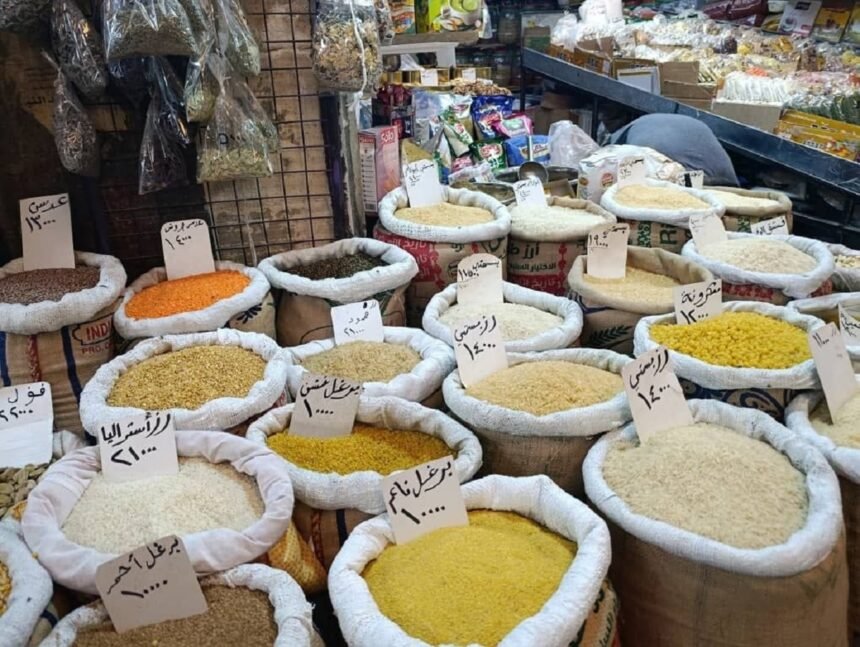
Shoppers continue to face elevated prices for food staples and cleaning products, with some household items rising even as the pound recovered.
What Shelves Show
Recent market prices put vegetable oil at around 250 pounds a liter, vegetable ghee near 450 pounds a kilogram, rice near 200 pounds a kilogram and sugar close to 100 pounds a kilogram. Household cleaners and paper tissues have climbed by roughly 20 percent.
Merchants said the gap between the currency and the shelf reflects how quickly increases are passed on to buyers compared with the pace at which reductions reach them.
Why Cuts Lag
Retailers said they do not set prices themselves but follow bulletins issued by wholesalers and importers. Price cuts arrive slowly because existing stock was purchased at older, higher costs and must clear before cheaper goods reach the shelf.
Increases, by contrast, are applied as soon as they are announced, leaving households to absorb the difference during the lag.
Doubts on the Rally
Some traders questioned whether the pound's gains would last, describing the move as possibly driven by currency speculation among large dealers rather than a genuine economic turnaround.
Lasting stability, they said, would require higher domestic production, stronger exports and broader economic activity rather than short-lived swings in the exchange market.
Thin Oversight
Observers pointed to weak market supervision and wide price variation between shops, which they said leaves consumers exposed. Without firmer monitoring, they argued, currency gains are unlikely to translate quickly into cheaper goods for shoppers.