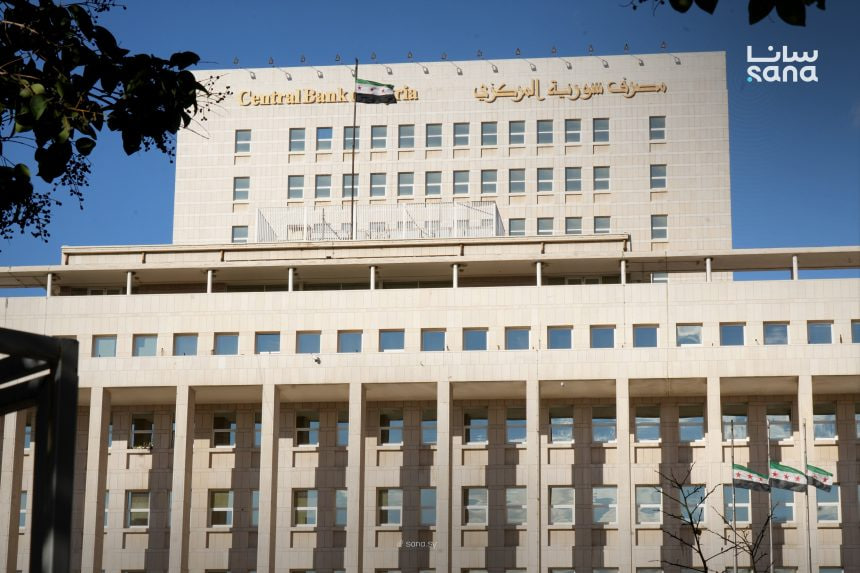
Central Bank Opens Second Phase
The Central Bank of Syria announced on 19 October 2026 that it had begun a second phase of measures to control and regulate the country's currency exchange and money transfer market, carried out in coordination with the Ministry of Interior.
The step follows an initial phase built around formal warnings to operators working outside the licensing system, and it shifts the campaign from notice to direct enforcement against those who did not fall into line.
Operators Detained
Inspection rounds led to the detention of a number of people who had ignored the earlier warnings and kept running exchange and transfer services without a license or any move to regularize their status under the law.
Official violation reports were filed against those detained, and cash that had been set aside for the unlicensed activity was impounded. Investigations are continuing before the cases are referred to the competent courts for prosecution.
755 Warnings Issued
The enforcement comes a little over a week after the opening move. On 10 October 2026, the regulator said it had issued 755 warnings to shops and establishments running exchange and transfer operations without authorization.
Those warnings followed inspection rounds carried out across several governorates, again in cooperation with the Ministry of Interior, giving unlicensed operators a window to register before penalties began.
Call to Comply
The regulator urged everyone active in the sector to comply immediately with licensing rules and to halt any unlicensed practice, warning of legal accountability and penalties under the laws in force.
It said monitoring and enforcement would continue, and that it would deal with anyone operating without a proper license until exchange and transfer activity is brought fully within the regulated system.
Push Toward Licensed Channels
The campaign targets operators working outside the licensing framework, aiming to steer exchange and transfer activity into licensed, supervised channels rather than the informal market.
By pairing detentions and seizures with a renewed call to register, the authorities signaled that the room left for unlicensed operators is narrowing as oversight of the market tightens.