Water Project Enters Implementation
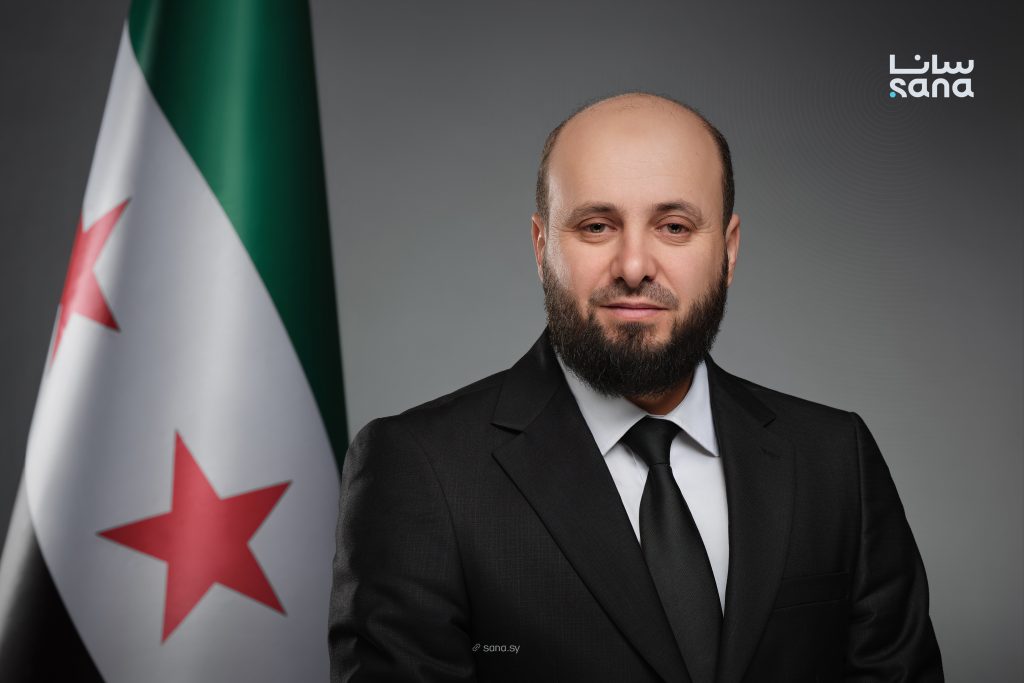
Syria's Emergency Water Security and Resilient Water Services Project has moved into its implementation phase under an agreement signed with the World Bank Group, the country's energy minister said on 7 September 2026. He described the step as meaningful progress in developing water and sanitation services and reinforcing their long-term sustainability.
The announcement was made publicly online and framed the launch as a shift from planning to work on the ground, covering both drinking-water supply and wastewater treatment.
Three Strategic Schemes
The project brings together three strategic schemes spanning several governorates. The first runs from Ain al-Zarqa in Idlib and is designed to serve about two million people, while a second covers the upper Orontes areas in Homs and Hama, reaching roughly one million residents across 65 villages.
The third scheme rehabilitates the Adra wastewater treatment plant, which serves an estimated 2.2 million people in Damascus and its surrounding countryside. Together, the schemes stretch from the northwest through the central provinces to the capital.
Financing From the World Bank
The works rest on financing approved by the World Bank's board of executive directors in April 2026 to support the restoration of water services and improve access to them across a number of provinces. The minister said that agreement is the basis for the project whose implementation has now begun.
Services for Millions
The project was presented as part of a broader effort to rebuild basic infrastructure and deliver more efficient, sustainable services that affect daily life. Combined, the three schemes are intended to improve water and sanitation for more than five million people.
The minister said work would continue on projects that "directly affect citizens' lives" and would build services that are more efficient and durable, strengthening the country's water security and the quality of essential services.