Prices Jump After Import Ban
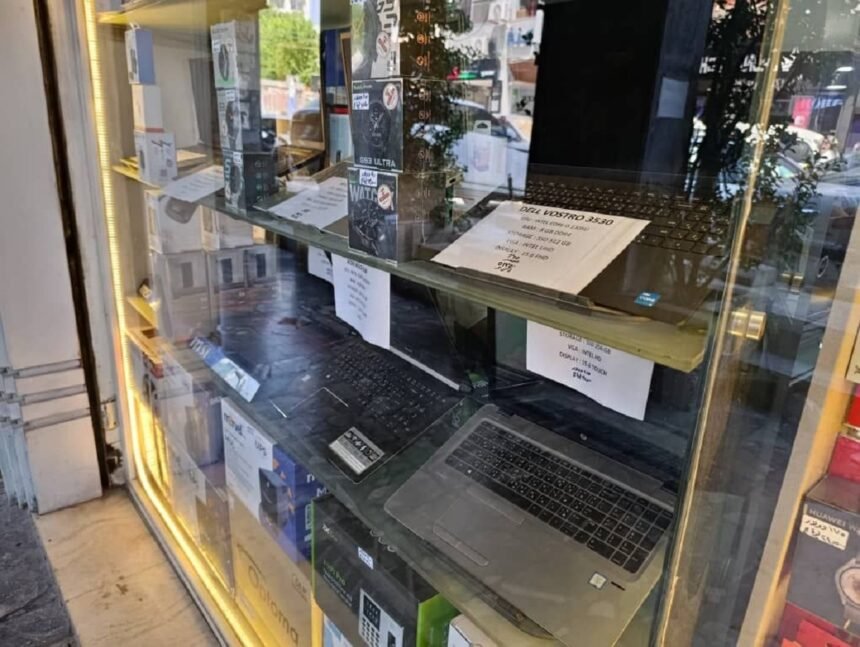
Prices for used laptops in Syria rose by roughly $50 (USD) per device over the course of a single week in June 2026, as a renewed import restriction cut into available stock. The increase landed on a market where secondhand machines had become a mainstay for buyers priced out of new equipment.
The rise followed the reactivation of a border decision barring the entry of used computers brought in from the United Arab Emirates, the main channel for such devices.
Supply Squeezed at the Border
Traders had previously been permitted to bring used laptops through border crossings, allowing large batches to enter and encouraging individual merchants to import to meet steady demand. The reinstated ban left dozens of pending shipments from Dubai stranded, pulling supply out of the market almost immediately.
With fewer devices arriving, the scarcity translated quickly into higher shelf prices, with the per-device increase exceeding $50 in a short span.
A Market Built on Secondhand Devices
Before the latest increase, used laptops sold for between $100 and $500 depending on specifications and condition. New machines started at around $400 even for low-end configurations unsuited to engineering or advanced academic work.
That price gap had fueled brisk turnover in secondhand stock, which one trader described as selling out on arrival because of high demand and the Syrian market's thirst for affordable computers.
Thinner Margins, Higher Shelf Prices
When supply was plentiful and varied, trader margins ran at about $10 per device. The current scarcity has pushed some sellers to widen those margins to offset lower sales volumes and the difficulty of restocking.
Pressure on Students and Workers
The squeeze falls hardest on students and employees for whom a computer is now a working necessity rather than a luxury, given rising reliance on devices for education and jobs. Continued limits on imports would keep prices elevated unless an alternative supply route emerges.