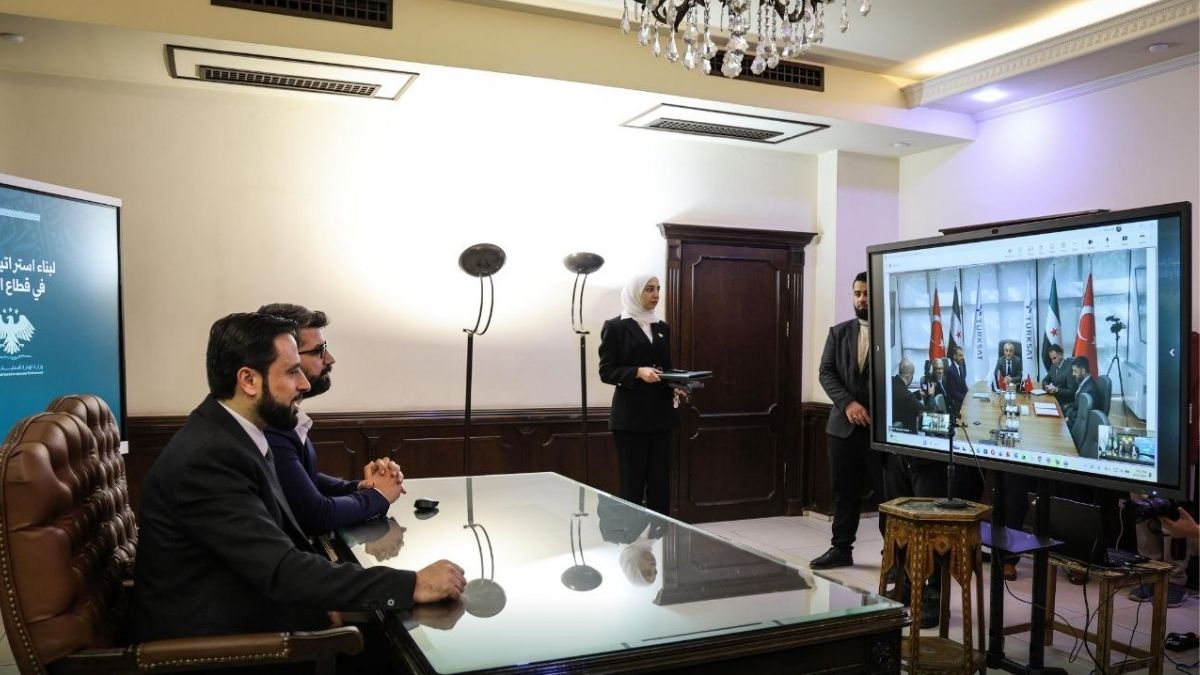
MoU Signed in Damascus
Syria's Ministry of Local Administration and Environment signed a memorandum of understanding with the Turkish company Türksat on 21 April 2026, opening a formal cooperation track on digital transformation, network infrastructure and cybersecurity. The agreement sits on the ministry side that runs local government services, rather than with a central sovereign technology body.
Scope of the Agreement
The memorandum sets a general framework for building secure digital infrastructure, data centers and information protection systems, together with support for designing and rolling out technical solutions and digital platforms for the Syrian public sector. Listed cooperation areas include smart environmental monitoring, smart-city applications, waste management solutions, exchange of technical expertise and training of Syrian staff.
Real Estate Paperwork Target
One of the most concrete service targets named in the memorandum is real estate transactions. Current procedures for buying and selling property run between 15 days and one month, and the cooperation sets a goal of bringing the processing window down to one or two hours through digitization of registry workflows. That change, if delivered, would touch one of the most friction-heavy routine interactions Syrians have with the state.
Timeline and Roll-out
First services under the agreement are scheduled to launch from the middle of next year, with full implementation expected to continue in stages over a period of five to seven years. That phased design puts the bulk of the practical impact well beyond the immediate horizon and signals that short-term changes will be limited to preparatory work and pilot services.
One Framework, Not Separate Deals
System design, platform implementation and staff training are bundled under a single memorandum rather than split across separate procurement contracts. That structure ties a multi-year work programme to one counterparty and shifts a meaningful share of technical capacity-building inside Syria to external trainers, while keeping policy ownership with the signing ministry.