Trade Push Against a Weak Pound
As the Syrian pound (SYP) traded near 14,540 to the US dollar (USD) in mid-June 2026, about 4.3 percent weaker over the week, Damascus and Ankara set out a roadmap to deepen economic ties built around cross-border trade and transit. Officials framed the relationship as shifting from ordinary commerce toward strategic integration.
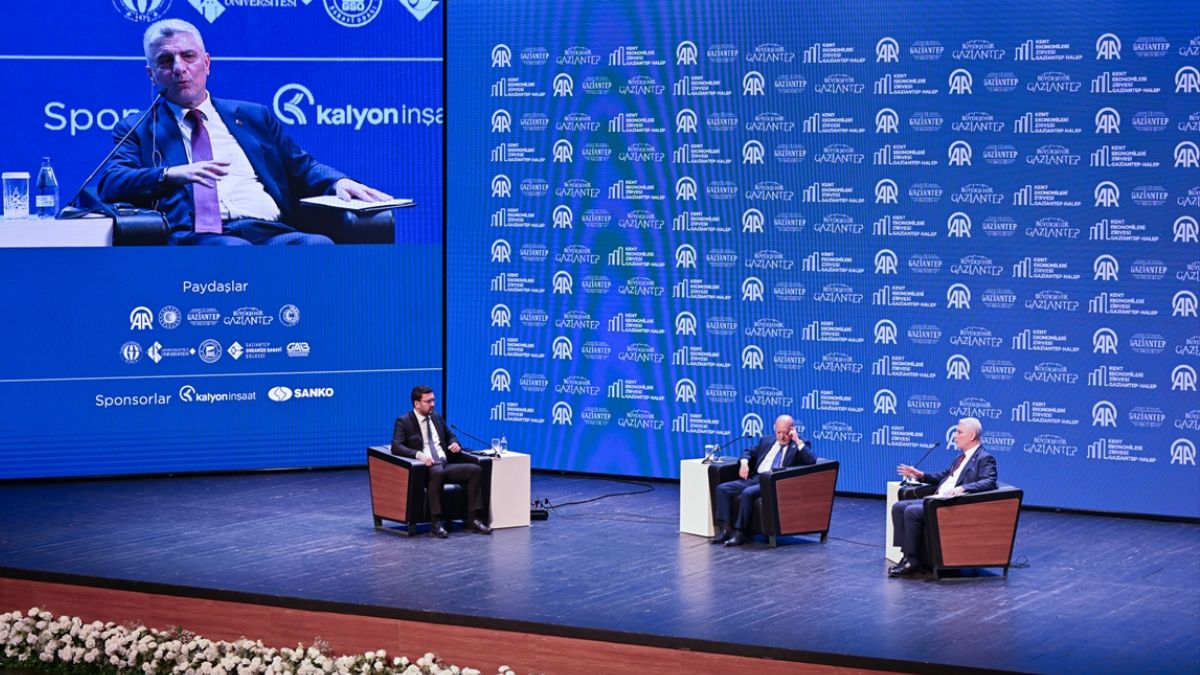
The direction was laid out at an economic summit on cities held on 9 June 2026 in Gaziantep, near the Syrian border.
Targets in the Billions
Bilateral trade currently exceeds $3 billion, and officials set a near-term goal of $5 billion, with a longer target of $10 billion by 2030. The summit emphasized production partnerships and technology transfer rather than one-way imports.
Priority sectors named included food processing, textiles, construction materials, and packaging, alongside a role for Syria as a transit route toward Jordan, Iraq, and the Gulf.
Reopening the Crossings
Several border and transport links were flagged for activation. They include a railway crossing at Islahiye between Gaziantep and Syria, a crossing at Nisibeen opposite Qamishli in the northeast, and the reopening of the Median Ekbas-Islahiye customs corridor.
The plans aim to restore freight routes that have been dormant and to widen the channels available for Syrian exports.
Banks and the Fine Print
Officials also pointed to the opening of Turkish bank branches inside Syria, a step still subject to legislative review. Functioning correspondent banking would ease payments for traders who now rely on cash and informal channels.
Much of the agenda remains aspirational, with figures presented as targets rather than settled flows.
Who Was at the Table
The Syrian side was led by Minister of Economy and Industry Mohammad Nidal al-Shaar, alongside Aleppo Governor Azzam al-Ghareeb. The Turkish side included Trade Minister Omer Bolat and Gaziantep Mayor Fatma Sahin, underscoring a focus on city-to-city and provincial economic links.