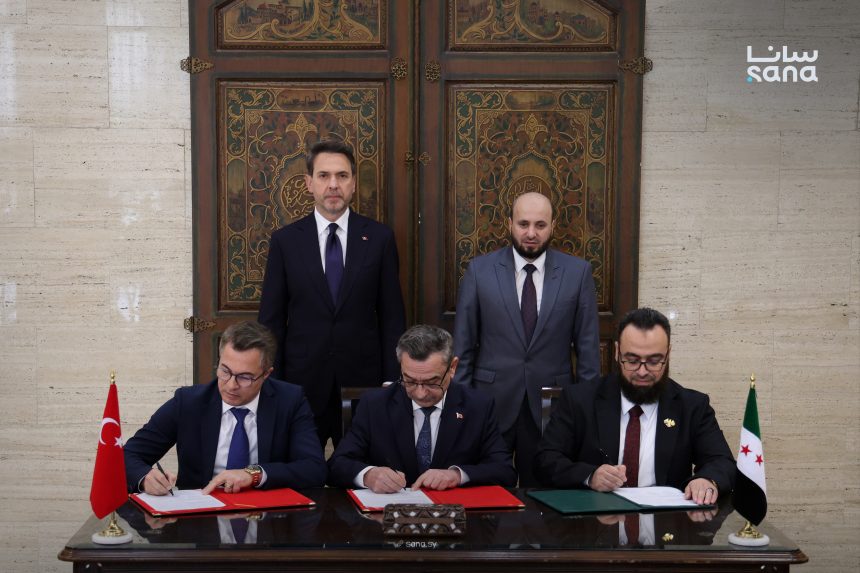
Cross-Border Energy Deal
Syria and Turkey signed a trilateral memorandum of understanding on earth sciences and mining in Damascus on 19 August 2026. The agreement is designed to strengthen technical cooperation, ease technology transfer, build national capacity, and advance the exploration of priority mineral resources.
Officials described the memorandum as the starting point for a broader partnership, with contracts on specific projects expected to be finalized within days.
Power for Aleppo
The most immediate commitment is a new electricity transmission line expected to enter service by late September 2026. Officials said the line would carry an additional 500 megawatts to Aleppo governorate, easing chronic shortages and improving the stability of supply across the region.
The Syrian energy minister called the accord "the foundation of a new cooperation agreement," pointing to plans that extend beyond power into industry and resource extraction.
Mining and Industry
The two sides outlined joint work on mining, including the future construction of sulfuric and phosphoric acid facilities and the rehabilitation of phosphate transport infrastructure. Samples from the Aleppo countryside have been collected to explore cooperation in the iron industry.
Discussions also covered oil exploration and extraction, part of a wider effort to build an integrated energy model linking the two economies.
Trade Through the North
On the same day, a separate meeting at the Ra'i crossing in Aleppo addressed industrial and commercial cooperation and ways to speed the movement of goods and logistics between the two countries. A visiting delegation was scheduled to tour industrial zones, including Sheikh Najjar, Ra'i, and Bab al-Hawa, to review investment opportunities.
Border crossings with Turkey remain a key artery for trade and transport, and officials stressed upgrading their infrastructure to raise the efficiency of customs clearance and freight in the period ahead.
Economic Backdrop
The moves come as the Syrian pound (SYP) held broadly steady against the US dollar (USD) in mid-August 2026. Deeper energy and trade ties with neighboring economies are viewed as central to stabilizing supply and supporting the currency over the longer term.