Prices Climb in Peak Season
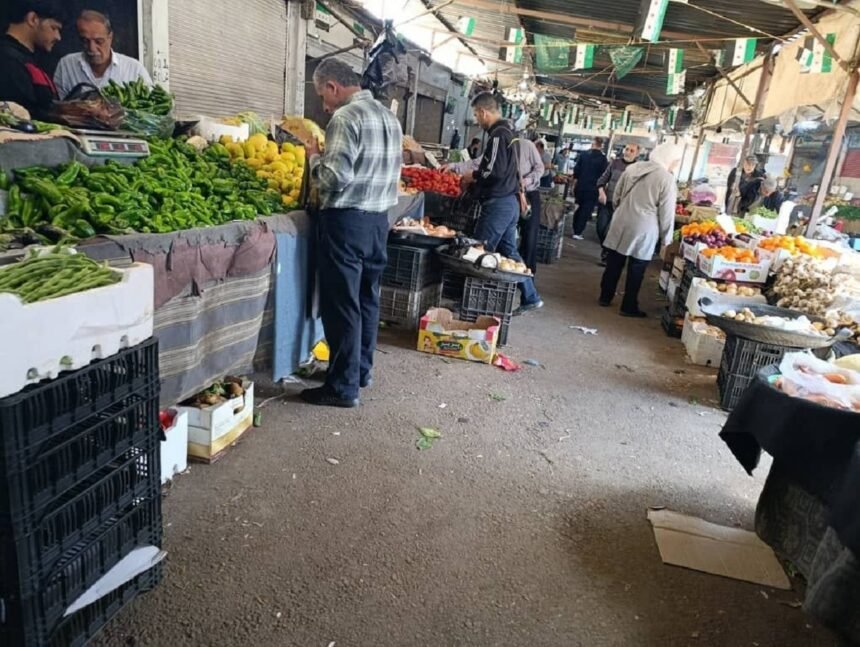
Summer fruit and vegetable prices across Syria's markets rose this week despite the start of peak harvest, the period when consumers typically see the deepest seasonal discounts. Vendors and shoppers describe a sharp gap between the abundance on display and the cost of taking it home.
The trend reverses the pattern of recent springs, when domestic supply alone has usually pulled prices steadily lower for several months.
Fuel Hike Reaches the Stalls
Traders attribute the increase to the recent rise in domestic fuel prices, which has pushed up the cost of moving produce from growing regions to wholesale markets. The added freight is then layered into the per-kilogram price at the stall.
The pass-through has hit summer fruits — apricots, peaches, and greengages — earliest, where margins are thin and stocks rotate fastest. Vegetables priced by the kilogram, including tomatoes and zucchini, have followed, though by smaller margins.
Households Squeezed
The price rise lands as the public-sector wage increase issued under Decree 67 has yet to reach payslips. Finance Ministry instructions set the 50 percent raise to be paid in the last week of May, leaving households on fixed incomes to absorb higher food bills first.
For middle-income shoppers, the squeeze is most visible at the produce aisle, where seasonal fruit had long been the easiest stretch on a strained budget.
Outlook Tied to Fuel
The story for produce now turns on whether fuel costs ease and whether supply builds quickly enough to push farmgate prices down. With the recent fuel-price reset still fresh and global energy markets trading at elevated levels, neither is in immediate view.
Until either side moves, the cost of putting produce on the table is set to remain higher than the calendar would suggest.