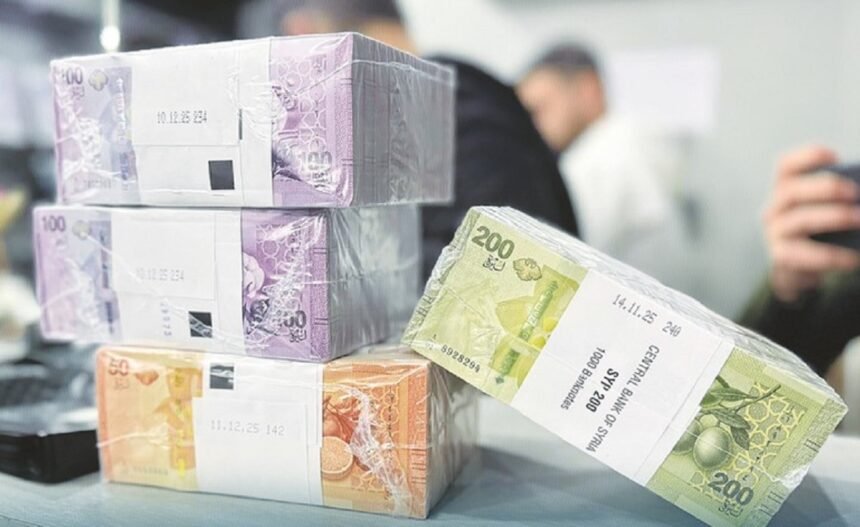
Wage Bill Quadrupled
Syria's finance minister announced on 21 June 2026 that the government's monthly bill for public wages and salaries has risen to 46 billion Syrian pounds (SYP), up from 11.3 billion. The roughly fourfold increase covers employees across the state apparatus and ranks among the largest single adjustments to public pay in recent years.
Pensioners Also Lifted
Monthly allocations for retirees climbed to more than 13.5 billion SYP, compared with about 2.9 billion previously. The change extends the raise beyond active staff to pension recipients who draw on the state treasury, broadening the number of households touched by the decision.
Funded Without Borrowing
The minister said the higher payroll was financed entirely from state resources, without deficit financing or new borrowing. He framed the approach as a way to raise incomes while preserving financial stability and limiting pressure on public finances.
That assurance carries weight in an economy where officials have sought to convince markets that higher spending will not be covered by issuing new money.
Toward a Unified System
Officials are building a comprehensive salary system for the coming year that would cover civil, economic, military and security personnel as well as retirees. Later phases are expected to bring all ministries and government entities under the same structure.
The plan points to a phased rollout rather than a single decree, with the current increase presented as an early step toward a standardized national pay scale.
Pressure on Household Incomes
Public-sector pay is a central component of household income in Syria, and a larger wage bill raises take-home earnings for state employees and pensioners. The minister tied the measure to financial stability, signaling that authorities want to lift incomes without widening the deficit.
The real effect on living standards will depend on how consumer prices respond in the months ahead, as larger nominal salaries flow into the economy.