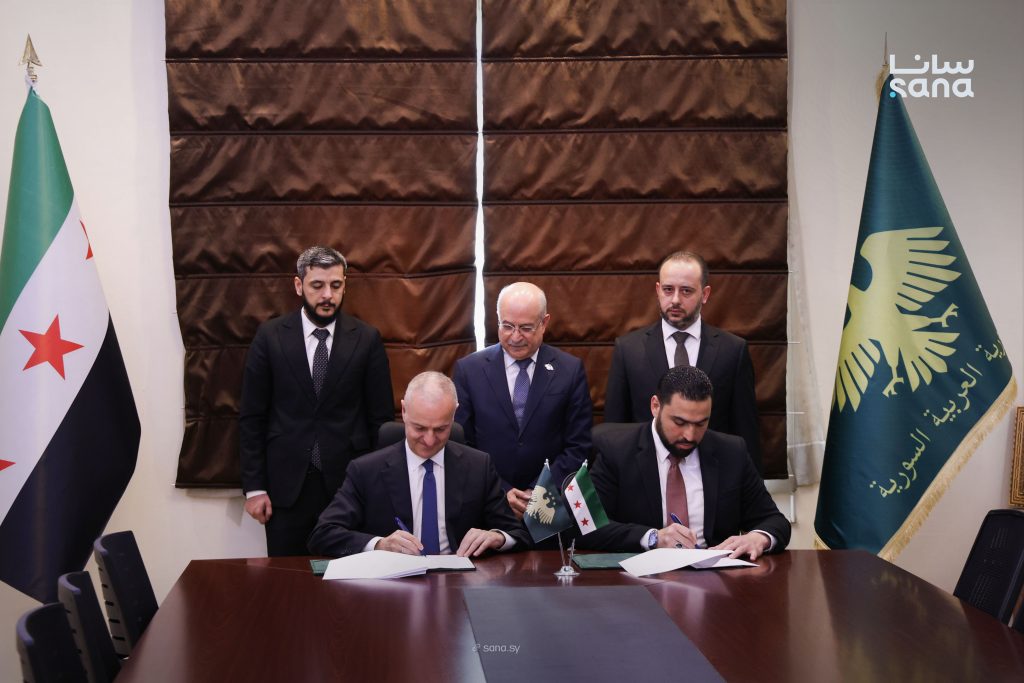
Memorandum Signed in Damascus
The General Establishment for Syrian Railways and Latakia International Container Terminal LLC signed a memorandum of understanding in Damascus on 19 May 2026 to coordinate container traffic between the Mediterranean port of Latakia and inland freight hubs. The four-month framework covers feasibility studies for moving containers from Latakia by rail to dry ports in Adra, Hasiya, and Aleppo.
Port-to-Dry-Port Network
The accord scopes a planning study to connect Latakia port with three dry ports and free zones in Aleppo, Damascus, and Homs. The work is preparatory and does not authorize any commercial services in the present period. Both sides described the document as a general framework and broad lines for a future operating agreement, with technical and logistical studies to be exchanged before any contracts are signed.
Four-Month Feasibility Window
Joseph Daqqaq, chairman of the board at the container terminal company, said the memorandum runs for four months while the parties prepare the technical work. Osama Haddad, director general of Syrian Railways, said the agreement focuses on building joint coordination mechanisms and does not currently involve delivering any service to either side.
Path to a Rail Concession
The terminal operator already holds the Latakia container terminal concession, secured in early 2025, and has signed contracts to operate dry ports in Aleppo and Adra, as well as a project at the Naseeb area on the Jordanian border. Daqqaq said the rail file is intended to lead to a concession contract for operating the line linking these sites, extending the company's footprint from the seaport into Syria's inland logistics chain.
Logistics Push for Reconstruction
The deal is framed as part of efforts to revive Syria's rail network and tie maritime ports to inland industrial zones, easing freight movement and supporting reconstruction projects. Officials say integrated port-to-dry-port operation is meant to lower logistics costs, boost investor confidence, and attract further investment into the country's transport infrastructure.