First Sovereign Sukuk Since 2024
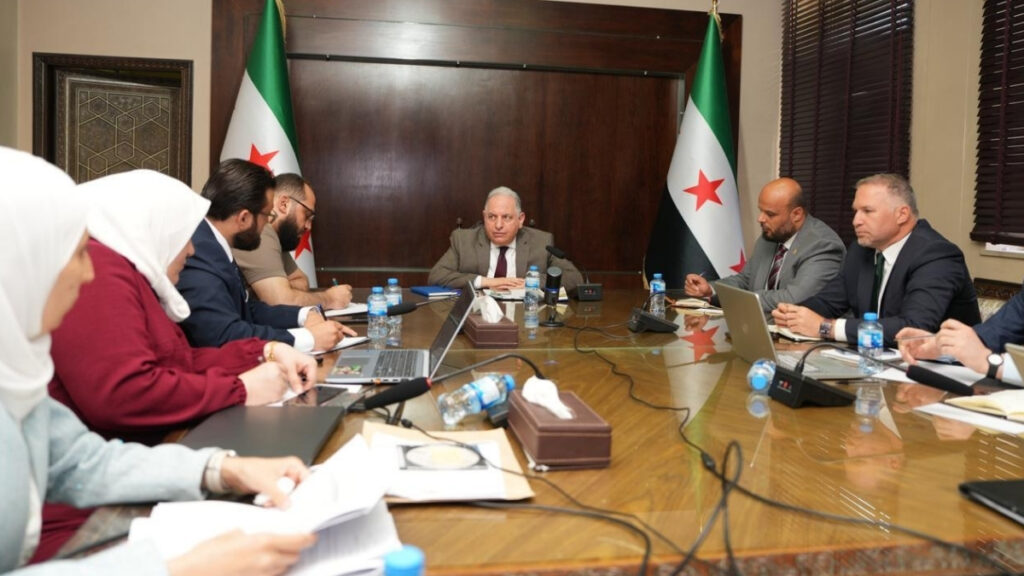
Syria is preparing to issue its first sovereign sukuk since the fall of the previous government, a step intended to help finance public projects and part of the state budget without expanding the money supply. The finance minister recently chaired a meeting of the Securities and Sovereign Sukuk Committee to review a strategy covering government bonds, treasury bills, and sukuk.
The plan remains at the framework stage. A first issuance is not expected before the final quarter of 2026, once the legal and regulatory structure is in place.
A $1.8 Billion Deficit
The 2026 budget projects revenues of roughly $8.7 billion (USD) against expenditure of about $10.5 billion, leaving an estimated deficit near $1.8 billion. An initial sukuk sale could raise between $500 million and $900 million under favorable conditions, covering only a portion of that gap.
The instrument is framed as an alternative to borrowing directly from the central bank, which effectively creates new money and pushes prices higher.
Guarding the Pound
The concern is rooted in recent memory. The Syrian pound (SYP) fell from about 47 to the US dollar (USD) before the war to more than 15,000 at the depth of its collapse, erasing savings and pricing basic goods beyond the reach of millions.
Rather than printing currency, sukuk would draw on existing liquidity held by banks, companies, and individual savers and channel it toward public investment, easing the inflationary pressure that money creation would bring.
How Sukuk Work
Unlike a conventional bond, which pays interest on a loan, a sukuk represents a share of ownership in an identifiable asset or project. Investors finance the asset — a power station, transport link, or public building — and receive an agreed share of the income it generates before the certificates are redeemed.
The government hopes to list the certificates on the Damascus Securities Exchange and to build a benchmark yield curve that would let banks and investors price longer-term Syrian risk.
Reach and Risk
Certificates could start as small as $100 and be sold through digital subscription, allowing ordinary savers to take part alongside major banks and funds. The global sukuk market already exceeds $900 billion, a pool of Sharia-compliant capital the issue aims to attract.
Analysts caution that success depends on how the proceeds are used. Financing electricity, transport, or housing could generate returns to repay investors, while covering routine salaries would add debt without the means to service it. Full disclosure of debts and of the assets backing each issue is described as essential.