Record Marketed Volumes
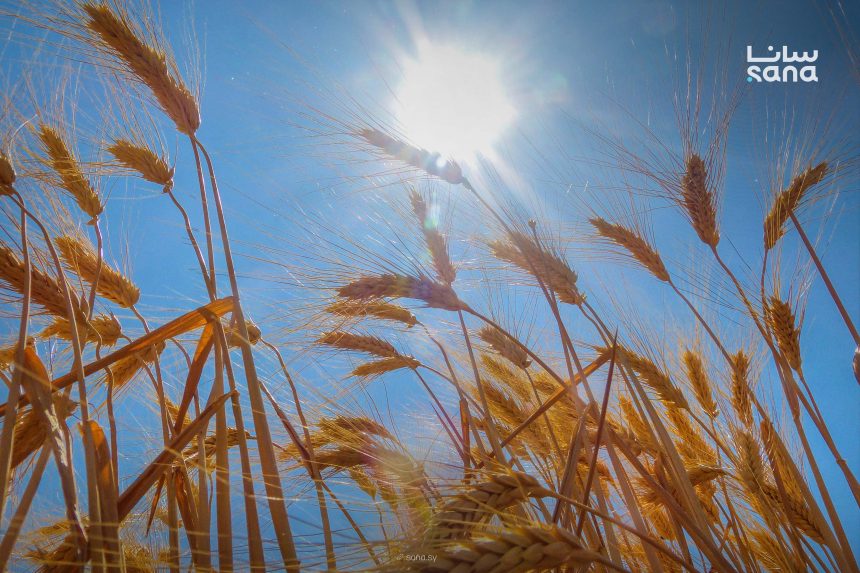
Wheat marketing in Al-Hasakah governorate has reached 1.15 million tons of hard and soft varieties as the season nears completion. Grain authorities operate seven receiving centers and silos across the governorate to handle the intake.
A local grain official said daily marketing rates were "declining gradually as the season winds down," signalling that the bulk of this year's crop has already been delivered.
Surplus in Raqqa
In neighbouring Raqqa, 452,000 tons had been delivered through 30 July 2026, split between 223,000 tons of durum and 229,000 tons of soft wheat. Against an annual local requirement of 200,000 tons, the province recorded a surplus of roughly 252,000 tons.
The head of the local grain authority said the delivered quantities "exceed the annual requirement," describing a season of clear abundance.
Farmers Await Payment
Payment for the harvest has lagged behind delivery. In Al-Hasakah, invoices for a first batch of about 3,000 farmers were transferred to cooperative agricultural banks, with disbursement expected within the week through 17 branches opening gradually across the governorate.
In Raqqa, officials said payments for wheat delivered between 1 and 20 June would begin on 2 August 2026 once technical procedures were completed.
Pressure on Summer Planting
The delays carry a direct cost. One farmer said the outstanding payments were preventing growers from financing summer crops, particularly corn, which requires spending on land preparation, fertilization and irrigation.
With agricultural bank loans largely unavailable, many farmers said they rely on advances from traders to bridge the gap between harvest and payment.
Rejected Loads Sold Cheap
Quality control removed a small share of deliveries from the official channel. About 150 of some 30,000 loads in Raqqa, around 0.5 percent, were rejected for excessive contamination or failing to meet specifications.
Farmers were left to sell rejected wheat as animal feed at between $220 and $250 per ton in US dollars (USD), below the official purchase price, though some cleaned and re-delivered their crops.