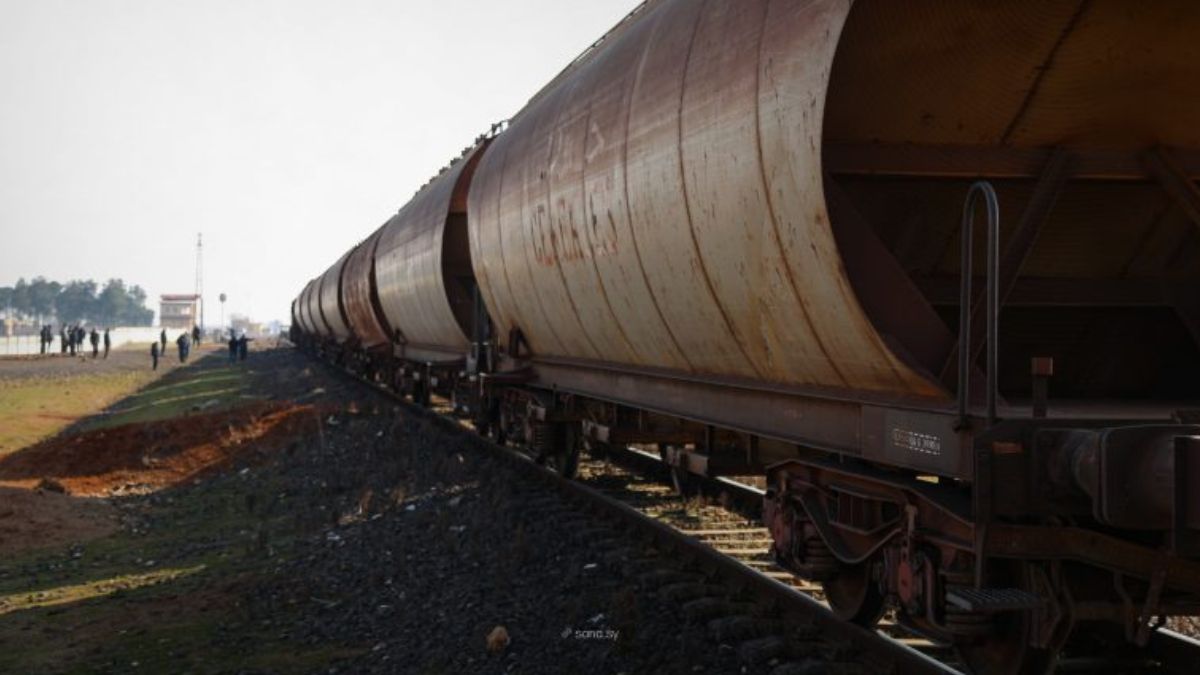
Trial Run Reaches Damascus
A trial freight train completed the route from the port of Latakia to the Adra industrial station on the outskirts of Damascus on 19 May 2026, ending a 14-year interruption on one of Syria's main freight corridors. The arrival at Adra marked the first port-to-industrial-zone rail cargo movement since service across much of the network was halted in 2011.
The run followed an agreement signed on 29 April between the Syrian Railways authority and the operator of the Latakia container terminal, an arrangement designed to pave the way for regular sea-to-rail cargo movements out of the country's main Mediterranean port.
Preparation Work on the Track
Ahead of the trial, crews carried out track maintenance, rail-gauge measurements, vegetation clearance, and load-and-unload testing along the corridor. Sections of the route had been overgrown or partially obstructed during the long shutdown and required physical clearance before locomotives could operate at full speed.
Network Damage and Funding
Roughly 1,800 kilometers of Syria's 2,800-kilometer rail network are damaged, leaving about 1,000 kilometers in operable condition. The World Bank has allocated 50 million US dollars (USD) for railway development to support repairs along priority corridors and to bring more of the disused track back into service.
Earlier Freight Movements
The Latakia-Adra trial follows a comparable test on the Latakia-Aleppo line on 25 January 2026, when a single train carried 1,500 tons of grain from the port to mills and silos in Aleppo via Homs and Hama. Together the two runs sketch the outline of a freight system reconnecting the Mediterranean coast to inland industrial and agricultural hubs.
What Comes Next
If regular operations follow the trial, the corridor would offer an alternative to the road haulage that has carried port-bound and outbound containerized cargo for more than a decade, with potential savings on fuel and transport costs for shippers using the Adra industrial zone east of Damascus.