Harvest-Season Price Crash
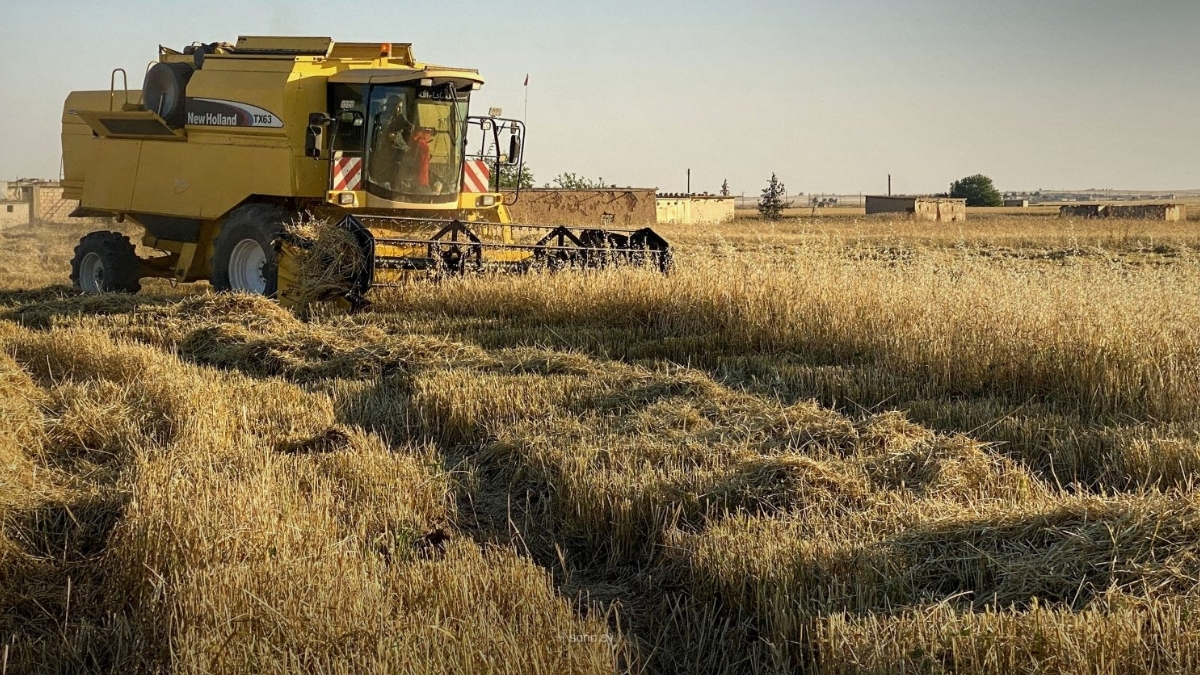
Barley prices across Syria's northeastern Jazira region have fallen sharply during the June 2026 grain harvest, dropping from $350 to $424 (USD) per ton at planting time to roughly $200 to $225 per ton now — a decline of 35 to 50 percent depending on area and quality. Growers in Al-Hasakah and surrounding districts are absorbing the loss as they bring this season's crop to market.
A Rush to Sell for Cash
A grain trader, Muhammad al-Abdullah, attributed the slide to a sudden flooding of the market as farmers sell quickly to raise cash, needing liquidity to cover accumulated costs and debts. Rising outlays for fertilizer, seed, fuel, and labor have left little room to wait for better prices.
Ahmad al-Idan, a farmer from rural Shadadiyah, said growers cannot afford prolonged storage while hoping for a rebound, forcing immediate sales once the harvest is in.
Prices Vary by Region
Quotes differ across the northeast. In Raqqa, clean black barley fetched $225 to $240 per ton, while seed-grade varieties reached $260 to $262. In Hasakah city, prices opened at $190 to $200 per ton before edging up to about $205.
Cumin Holds but Wobbles
Cumin remained comparatively high at $2,300 to $2,600 per ton, with most offers near $2,500. Even so, the market stayed unsettled, weighed down by limited output and uneven supply across regions, with weather cited as a drag on production.
Farmers at the Weak End
An economist, Mahmoud Othman, warned that the gap between production costs and farmer returns has widened, leaving producers exposed to price swings. The absence of market regulation, strategic storage, and centralized purchasing, he said, pushes farmers into the weakest position in the supply chain.