Framework on the Table
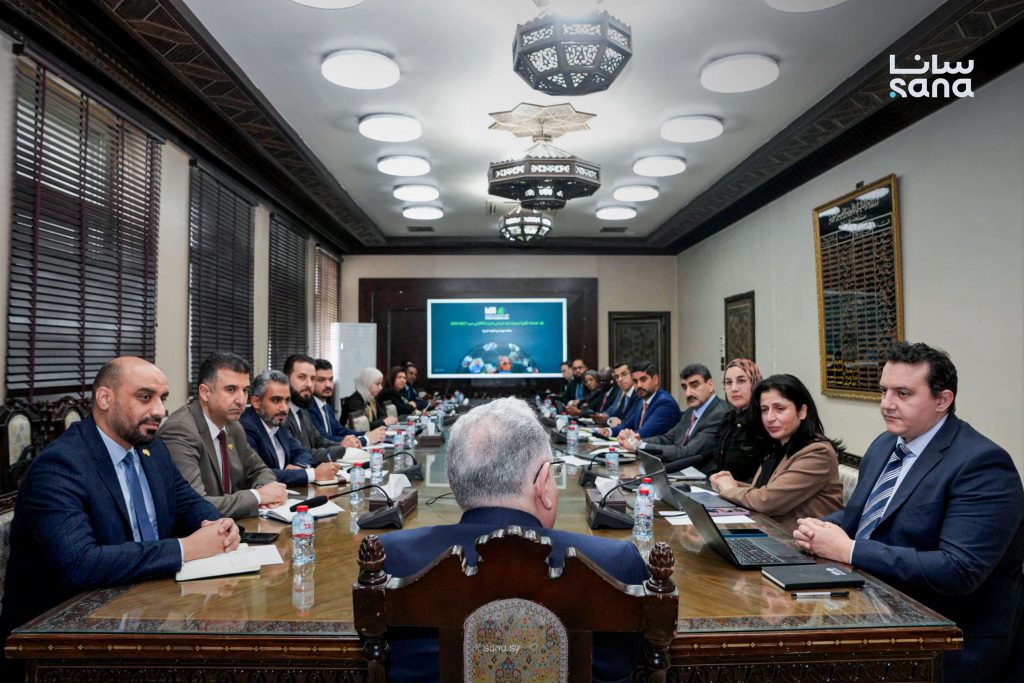
Syria's finance minister met a 15-member mission from the Islamic Development Bank (IsDB) Group in Damascus on 9 November 2026 to discuss a Country Engagement Framework covering 2027 through 2029. The talks focused on cooperation priorities, target sectors, and a list of proposed priority projects.
No financing amounts, named projects, or signed agreements were announced. The meeting centered on agreeing the framework and the priorities that would guide it.
Clearing the Arrears
The mission's visit followed an understanding between Syria and the IsDB Group on resolving the country's outstanding arrears to the bank. Settling those obligations is a precondition for restoring access to the lender's financing after years of isolation, making the framework talks a step toward reopening a multilateral funding channel.
Priority Sectors
The finance minister set out priorities spanning health, food security, infrastructure, energy, transport, and water and sanitation, alongside digital transformation and Islamic financial services. Support for the private sector, small and medium enterprises, and poverty reduction were also named.
He asked for preliminary studies on water and sanitation projects to identify suitable financing options before commitments are made.
Aligning the Lenders
The minister called for the IsDB framework to be aligned with a proposed World Bank framework and with European Union partnership programs, and for a governance framework to guide the cooperation. He said engagement with civil society should be subject to a review that ensures governance standards are met.
A Crowded Donor Field
Aligning the development bank's plan with the World Bank and the European Union points to an effort to coordinate overlapping recovery programs rather than let them run on separate tracks. For a government seeking reconstruction finance, matching timelines and priorities across lenders can reduce duplication and make limited funds stretch further.
The emphasis on governance standards and vetted civil-society cooperation signals conditions the lenders are expected to attach to any disbursement.
What Comes Next
The framework sets the direction for multilateral lending to Syria over the next three years rather than committing funds today. Concrete projects and amounts would depend on the studies, approvals, and arrears settlement that follow, leaving the near-term effect on the economy indirect but widening the channels through which future financing could flow.