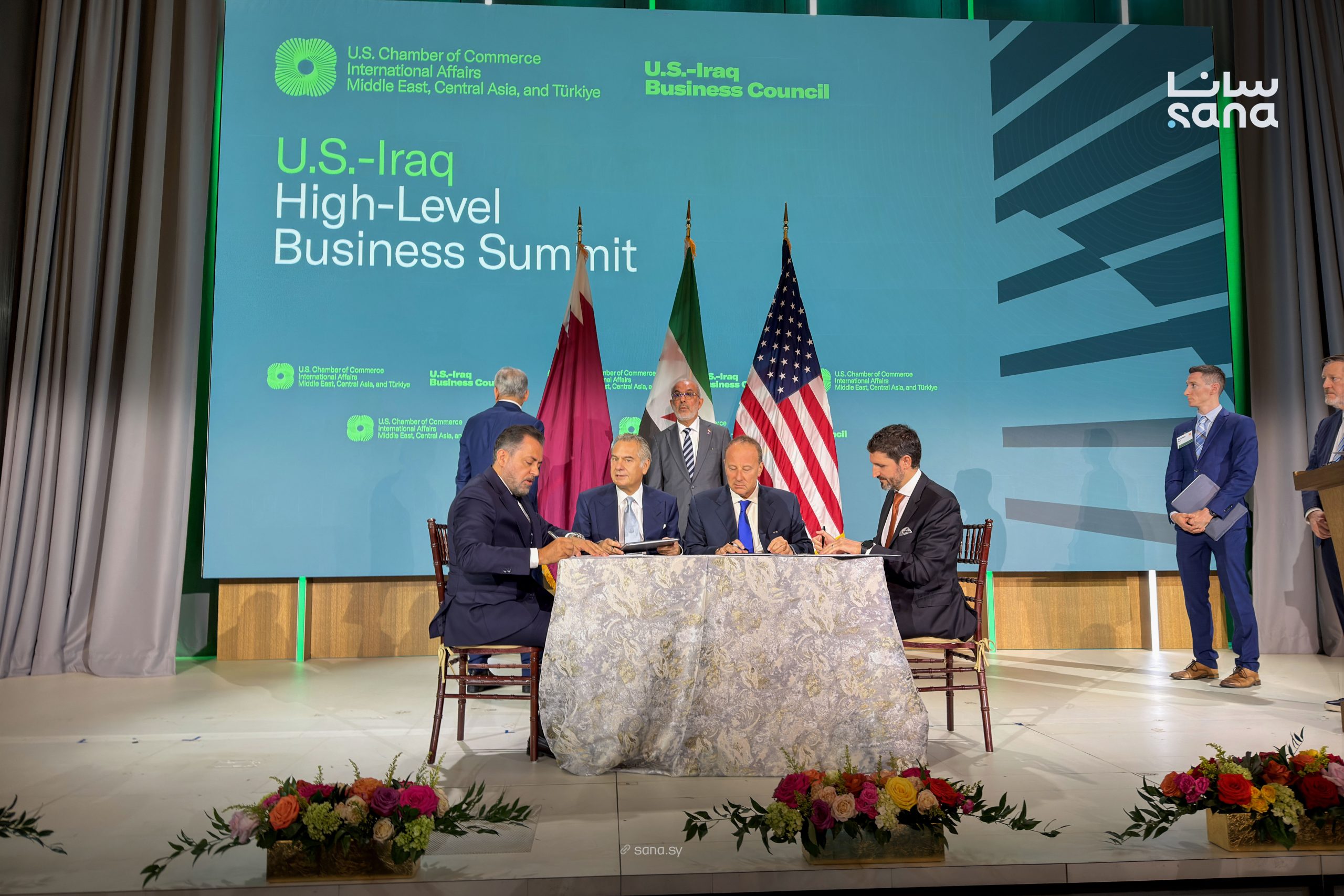
Cross-Border Pipeline Deal Signed
Syria and Iraq signed two memoranda of understanding to rehabilitate the Kirkuk-Banias crude oil pipeline, a project intended to carry Iraqi oil across Syrian territory to the Mediterranean. The agreements were concluded in Washington following bilateral meetings and announced on 18 July 2026.
One memorandum binds the Syrian Petroleum Company and Iraq's Basra Oil Company to the rehabilitation work; a second brings in an international consortium to carry out the technical and financial studies.
Two Million Barrels a Day
Officials set an initial target capacity of about two million barrels of crude oil per day once the line is restored. The route runs from Kirkuk through al-Tanf and Homs to the coastal terminals at Banias and Tartus.
The existing line is more than 70 years old. Plans describe a pipeline of roughly 1,520 kilometers in total, with close to 490 kilometers inside Syria, built to a diameter of 48 inches, and an estimated construction period of 30 months from the formal signing.
Consortium and US Role
The consortium named to execute the work groups Chevron with UCC Holding and TI Capital. A United States-led coalition is expected to take part in the technical and financial aspects of the project.
The US State Department described the pipeline as a priority infrastructure effort and a step toward restoring a vital energy corridor linking Iraqi production to export markets on the Mediterranean and beyond.
A Mediterranean Energy Corridor
Energy Minister Mohammad al-Bashir framed the memoranda as a strategic step to reactivate one of the region's most important oil transport lines. The stated aim is to position Syria as a transit route for regional crude and to draw foreign investment into its petroleum infrastructure.
The signings establish a legal framework for cooperation but leave the financing, construction schedule and final commercial terms to the studies now getting under way. Officials cast the project as a way to reactivate one of the region's most important crude transport routes and to reconnect Iraqi output with buyers on the Mediterranean.