Fees Climb 5 to 20 Percentage Points
Syria's Ministry of Finance has amended the consumption-fee schedule set out in Legislative Decree No. 11 of 2015, raising rates on a range of imported goods by 5 to 20 percentage points. The decision was issued in late April 2026 and takes effect at border crossings from the beginning of June 2026.
The measure spans construction inputs, tobacco, cosmetics and small parcel imports. The Syrian pound (SYP) stood at roughly 13,700 to the US dollar (USD) at the time the new schedule was being assessed.
Tobacco, Cement and Marble Lead the Increases
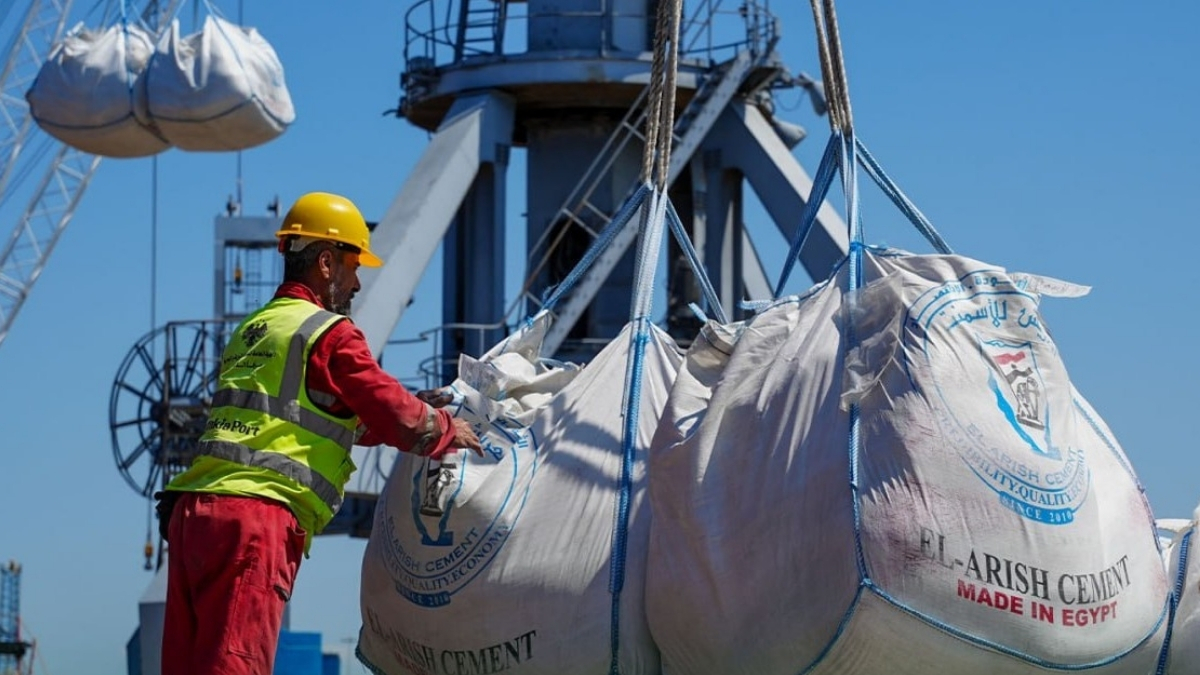
Cigars, cigarettes and hookah tobacco move to a 20 percent consumption fee, up from about 5 percent previously. Marble, limestone, granite and cement now carry a 15 percent fee, a sharp jump for cement, which had been set at just 0.5 percent in deference to reconstruction needs.
Perfumes, cosmetics and hair products move to 10 percent, silver jewelry to 5 percent, while imports with customs duties of USD 600 or less are charged a consumption fee of zero to 5 percent depending on category.
Retroactive Liability Back to December 2024
One clause permits the Tax and Fees Authority to collect the new consumption fee on goods that cleared customs between 8 December 2024, the date authorities mark as "liberation day," and 30 May 2026. Because those goods have already reached consumers or sit in warehouses, the back-payment falls on the importers themselves.
Market Already Repricing
Tobacco prices in Syrian markets have risen 7 to 8.3 percent in recent weeks ahead of the 1 June effective date, with formally imported cigarette packs leading the move and smuggled brands following more unevenly. Mulham al-Jazmati, an economist at Karam Shaar Consulting, noted that consumption fees are levied at the moment of customs clearance, which lets the increase feed through to shelf prices quickly, particularly for fast-moving goods or imports controlled by a small number of traders.
Senior analyst Muayyad al-Bunni at the same firm added that traders holding large stocks of slow-moving items such as marble or silver jewelry may absorb part of the increase to protect market share. Tobacco, harder for consumers to substitute, will instead see most of the fee passed straight through to the final price.
A Constitutional Question
The amendment was issued by ministerial decision rather than by law. Successive Syrian constitutions before the 2025 Constitutional Declaration barred the Finance Ministry from imposing or modifying a tax or fee except by statute, and Article 26 of Legislative Decree No. 54 of 2006, the Basic Financial Law, still ties revenue collection to laws and regulations rather than ministerial orders. The 2025 declaration contains no equivalent restriction, leaving the older statutory bar as the open question over the decision's legal footing.