Queues at the Pumps
The company responsible for distributing petroleum products across Syria confirmed on 31 July 2026 that filling stations in several provinces had experienced heavy congestion over recent days, causing hardship for residents trying to buy fuel.
It acknowledged the scale of that difficulty directly, saying it understood the strain the crowding had placed on people in some provinces. Tanker loading and deliveries to stations were still proceeding under its operating plans, it added, and easing the congestion had become an immediate priority.
What Squeezed Supply
The distributor attributed the temporary strain to several overlapping factors: regional and international tensions, disruptions to maritime shipping, and the resulting pressure on energy supply chains, together with rising import costs.
It also cited operational challenges during a phase of infrastructure rehabilitation and an unusual jump in demand for fuel in some areas. Combined, these produced what it described as a short-term imbalance between supply and demand, which it framed as temporary rather than structural.
Cargo at Baniyas
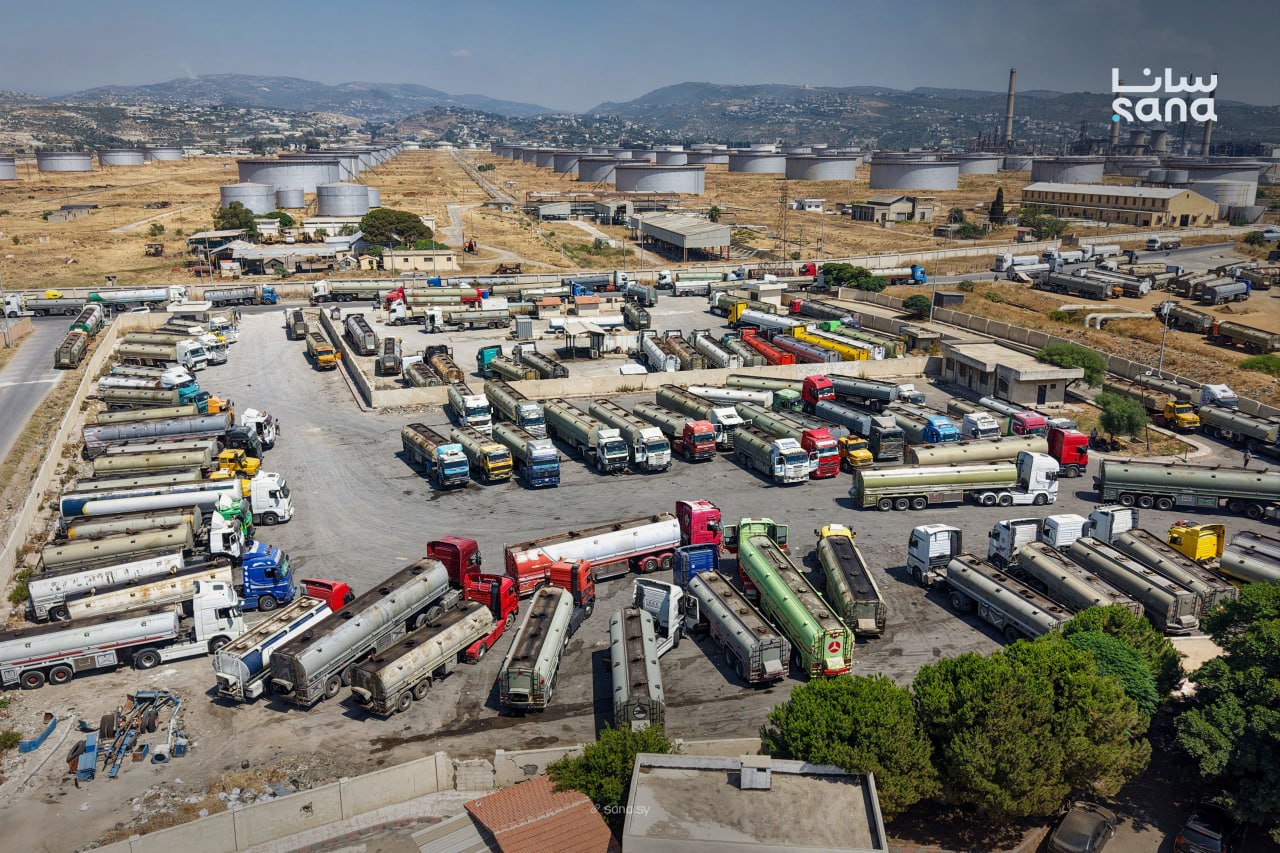
A vessel carrying about 37,646 metric tons of gasoline reached the Baniyas oil terminal on 30 July 2026, part of continuing efforts to replenish the stocks that feed the domestic market.
Since the pressure began, the company said, it has increased the movement of fuel from storage toward distribution points and raised the readiness of its depots and operating centers so they can absorb further demand.
Working to Stabilize
Crews are working around the clock to accelerate supply and distribution and to return the system to its normal rhythm as quickly as possible. The company said it is tracking distribution daily and taking the measures needed to clear any bottlenecks that appear.
It asked residents for patience during the disruption and pledged to keep them updated through official channels until deliveries stabilize across the market.