Directive on Fuel Oversight
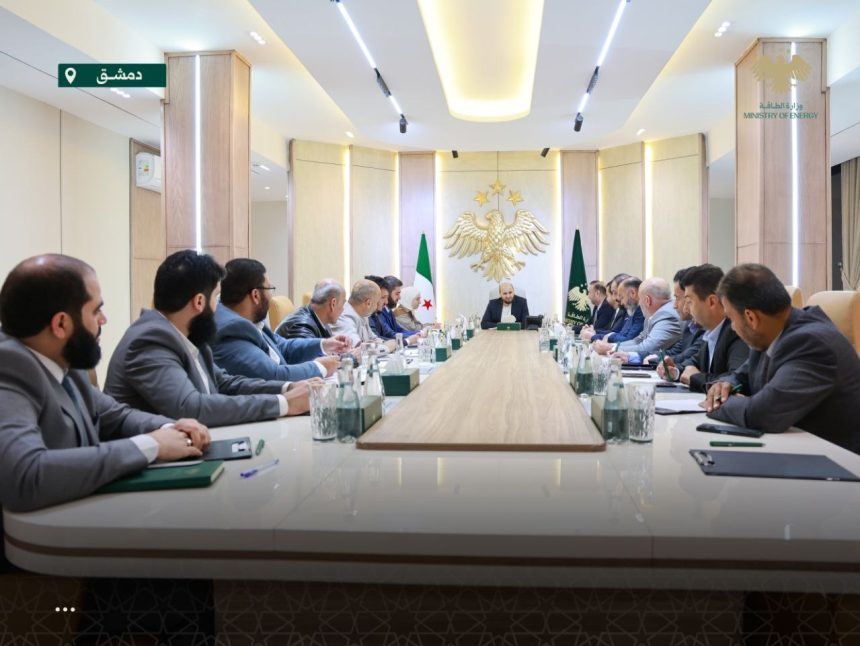
Syria's energy minister, Mohammed al-Bashir, instructed officials on 9 November 2026 to intensify supervision of fuel stations and gas distribution centers across the country's governorates. The order followed a meeting with the head of the Energy Services Administration and the directors of energy services in the provinces, which reviewed oversight performance and ways to tighten control of petroleum-product and gas distribution.
The minister called for stronger field inspection and stricter procedures at outlets nationwide, and said there would be no leniency toward practices that harm consumers or distort the flow of supplies.
Targeted Violations
The measures focus on adulteration and the mixing of fuel products, tampering with pump meters, and manipulation of prices. Officials were directed to pursue legal action and apply deterrent penalties against offenders.
The sanctions can extend to closing stations found in violation and revoking their operating licenses, part of an effort to improve the quality of fuel reaching the market and reduce practices that disrupt distribution.
Faster Station Licensing
Alongside enforcement, the minister ordered that applications for new station licenses, handled through an electronic platform, be processed quickly and that obstacles facing investors be removed. The stated aim is to raise the number of stations and widen their geographic spread.
Expanding the network is intended to ease access to fuel in areas with limited coverage, within a distribution system that has been strained for years.
Fuel Supply in Focus
The oversight push comes as the government presses other fuel-supply measures. Distribution of subsidized heating diesel began in the Hama, Daraa, and Tartus governorates at 115 Syrian pounds (SYP) per liter, with additional provinces to be added in stages.
The program is directed at about one million families and is expected to run for roughly three months during the winter season.
Pressure at the Pump
Fuel pricing and availability remain among the most visible economic pressures on Syrian households, making oversight at the pump a closely watched part of daily economic life. By pairing penalties with faster licensing, the authorities are addressing both the conduct of existing operators and the size of the retail network at once.
Whether the directives translate into measurable change will depend on enforcement across the governorates, where oversight capacity varies.