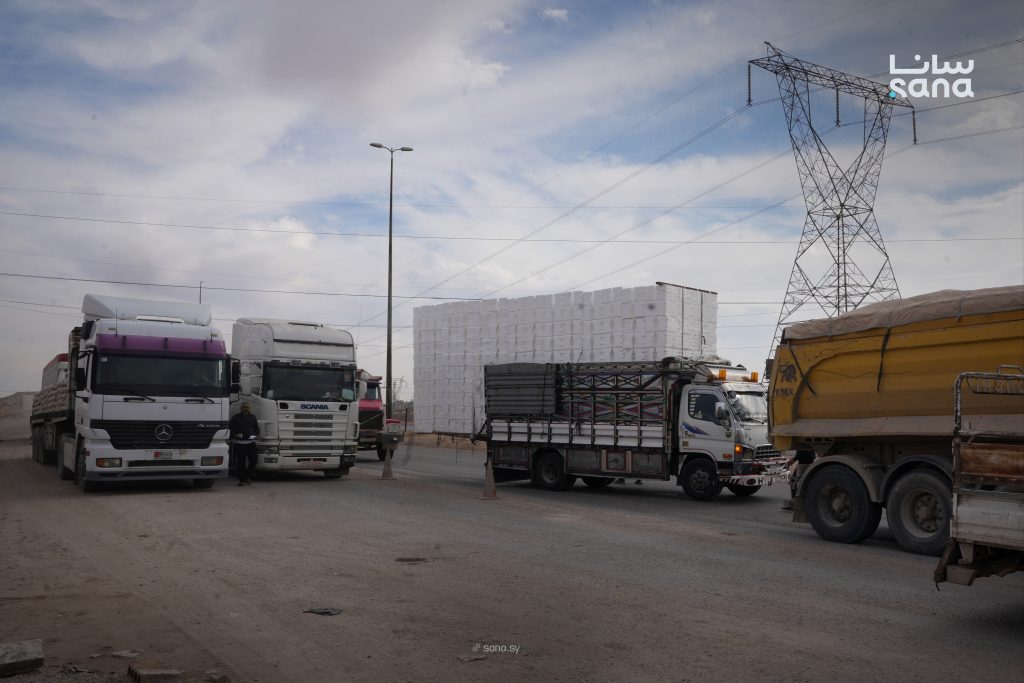
Freight Costs Surge 40–50% Since January
Transportation costs for goods moving between Syrian provinces have climbed between 40 and 50 percent since the beginning of 2026, Khaled Kassaha, Director of Freight Transport Organization at Syria's Ministry of Transport, said on 21 April 2026. Kassaha attributed the increase to several compounding factors: higher fuel prices driven by the Syrian pound (SYP) exchange rate against the US dollar (USD), rising costs for imported truck parts including tires and oils, and deteriorating road infrastructure that extends journey times and increases fuel consumption.
Fuel Prices and the Exchange Rate as Core Driver
The price of diesel and petrol moves directly with the SYP/USD rate, meaning any depreciation in the pound immediately raises operating costs for hauliers and is passed through to freight rates. Kassaha said maintenance costs for imported spare parts have formed an additional burden on truck operators, compounding the effect of fuel price movements on overall shipping charges.
Poor road conditions amplify the impact further by raising per-kilometre fuel consumption and extending transit times, increasing both the financial and time costs for every shipment.
Food Prices Bear the Heaviest Impact
Kassaha noted that transport costs represent between 5 and 15 percent of the final retail price for vegetables and fruit — the most price-sensitive goods in Syrian markets — while the share is lower for high-value or imported goods. Because freight charges are embedded at each stage of supply chains, any increase ultimately reaches end consumers, especially for goods that pass through multiple hands before reaching market.
Among inter-province routes, Damascus–Hasaka and Damascus–Qamishli are the costliest. Shorter routes including Damascus–Tartous, Damascus–Latakia, and Damascus–Hama are comparatively less expensive. Larger trucks carrying more than 11 tonnes deliver the lowest cost per tonne on long routes, while refrigerated and smaller vehicles cost more due to higher energy use and maintenance.
Rail Revival Key to Long-Term Relief
Kassaha outlined near- and medium-term measures that could ease pressure on transport costs: stabilising fuel supply and prices, routine road maintenance, expanded use of consolidated freight loads, and fleet modernisation to cut fuel consumption. Reactivating Syria's rail network, he said, offers the greatest structural potential — a single freight train can carry approximately 10,000 tonnes, the equivalent of roughly 35 heavy trucks, at predictable fuel use and faster speeds. He estimated that road rehabilitation alone could reduce freight costs by between 5 and 15 percent, though the benefit to retail prices may not be immediate given limited price competition and weak market oversight.