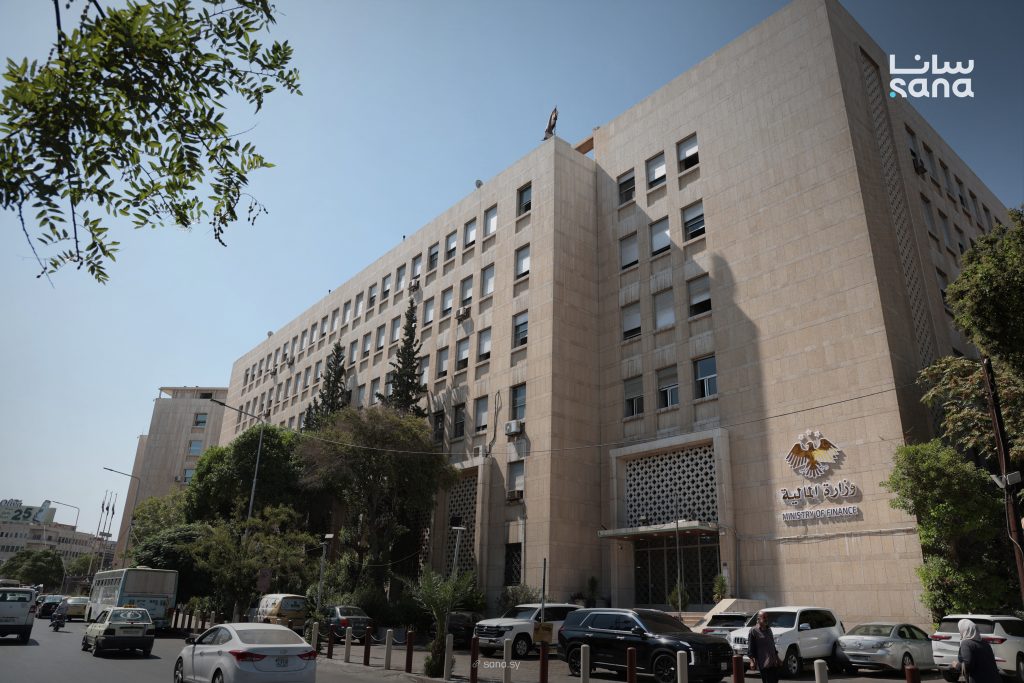
New Anti-Evasion Decree
Syria's Finance Ministry issued Decree No. 2327 to curb practices that harm public revenues and to strengthen tax compliance, framing the measure as part of a wider effort to combat tax evasion carried out through fictitious importers. The ministry announced the decree on Saturday, 18 July 2026, through its official communication channel.
The decree targets a practice in which goods enter the country under the names of front or nonexistent importers, obscuring who is actually responsible for paying duties and taxes. The ministry cast the step as a continuation of measures it has already taken against the practice.
Duties for Customs Brokers
Under the decree, customs brokers are made responsible for verifying the identity of the real importer before clearing shipments. Anyone proven to have organized customs declarations for fictitious importers, or to have contributed to concealing the identity of the actual importer, will face legal liability.
The provision places part of the verification burden on the brokers who handle clearance paperwork, the stage at which import records are drawn up.
Coordination With Customs Authority
The ministry said the decree continues a series of measures taken in cooperation and coordination with the General Authority for Border Crossings and Customs to dismantle the fictitious-importer phenomenon. It described the aim as reinforcing integrity and transparency in import operations and shielding public funds from evasion.
The crackdown is meant to close a channel through which duties and taxes have gone uncollected, tightening oversight of who is registered as the party bringing goods into the country.
Push for Tax Compliance
The step follows talks on 25 June between Finance Minister Mohammad Yasser Barnieh and the head of the Federation of Syrian Chambers of Commerce, Alaa al-Ali, on cooperation to combat tax evasion and to entrench principles of transparency and governance.
Officials have tied stronger tax compliance to the efficiency of the national economy, presenting revenue protection as part of a broader fiscal reform that leans on transparency and governance across the tax system.