Longer Supply, Uneven Bills
Electricity in Damascus and its surrounding countryside now runs for an average of 16 hours a day, a marked improvement over the rationing of recent years. Yet residents in the same areas report widely differing bills for comparable use, raising questions about how charges are calculated and applied.
Reported bills range from roughly 100,000 to more than 900,000 Syrian pound (SYP) per billing cycle, with some households paying several times what neighbors pay on similar consumption. The spread has become a recurring grievance as more hours of supply feed into the meter.
How Charges Are Set
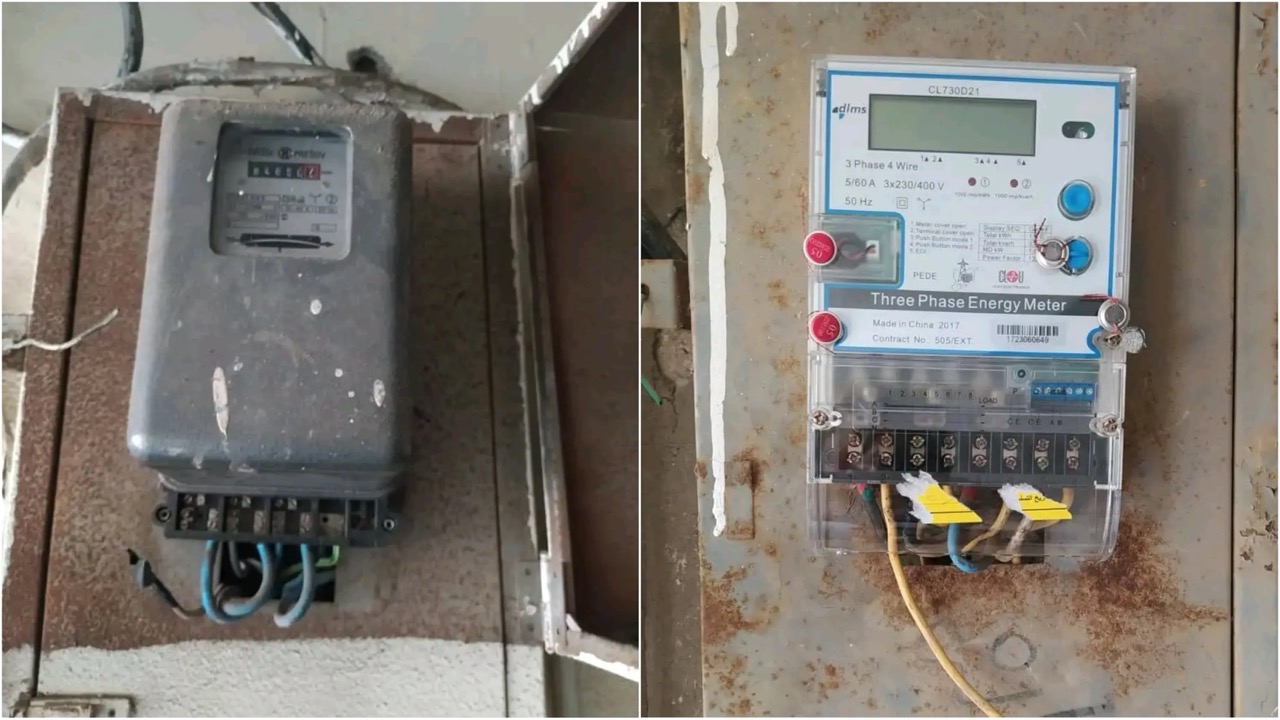
Where meters are not physically read, the utility applies an estimated consumption of about 400 kilowatt-hours per cycle, billed at around 125,000 SYP. Penalties compound when readings are missed: a single skipped reading can add roughly 325,000 SYP, and two consecutive missed readings can push a bill toward 628,000 SYP.
Much of the gap between households traces to these estimated readings rather than to actual metered use, leaving some subscribers billed for power they may not have consumed.
Strain on Households
The bills land on a population under severe financial pressure; United Nations estimates place roughly 90 percent of Syrians below the poverty line. One resident said a large bill was simply beyond reach, while another, who earns 60,000 to 70,000 SYP a day working at a street stand, described the charges as impossible to meet on such an income. For a daily wage of that size, a single cycle's bill can equal many days of earnings.
Pressure for Clearer Metering
The complaints center less on the 16-hour supply itself than on billing many see as opaque. Calls have grown for consistent meter readings so that charges reflect real consumption rather than flat estimates, and for a clearer explanation of how penalties are applied when a reading is skipped.