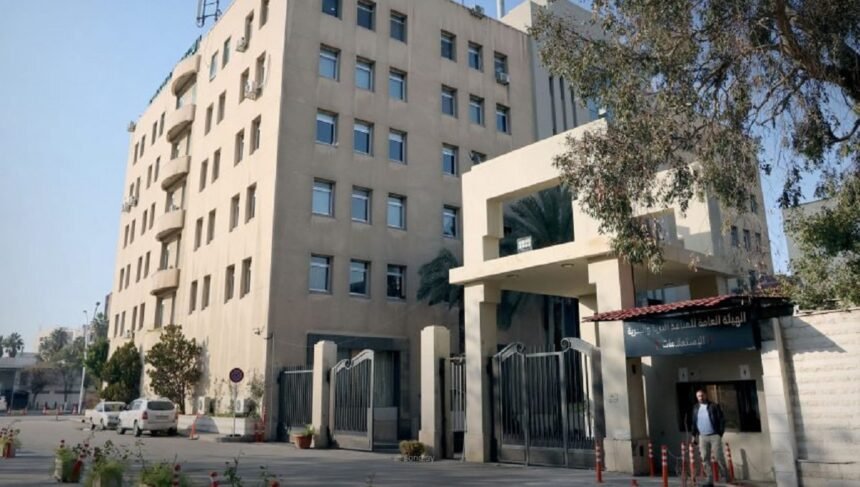
Holiday Border Surge
Roughly 206,000 Syrian citizens entered the country between 18 and 31 May 2026, as travelers took advantage of an entry-fee exemption granted to Syrian vehicles during the Eid al-Adha holiday. The crossings operated around the clock to absorb the heavy flow.
The figures were released by the authority overseeing the country's border crossings and customs, which said the surge followed facilitation measures meant to speed processing and ease costs for returning citizens and visiting expatriates.
Where Travelers Crossed
The Lebanese border drew the heaviest traffic with 88,416 arrivals over the two-week window, the single largest share of the total. The crossings with Turkey followed at 57,572 arrivals.
The Naseeb crossing with Jordan recorded 57,260 arrivals, close behind the Turkish total, while the frontier with Iraq saw far lighter movement at 2,252 arrivals in the same period.
Fees Waived for the Eid
The exemption removed entry charges on Syrian-registered vehicles for the duration of the holiday season. The authorities framed the step as a way to reduce the financial burden on families traveling home for the holiday.
They linked the measure to a wider effort to strengthen ties with Syrians abroad and to encourage diaspora visits during religious holidays, when cross-border movement traditionally peaks.
Round-the-Clock Crossings
Border posts were kept open 24 hours a day across all crossings to manage the volume and maintain services for arriving passengers. The authority said the continuous operation was intended to keep waiting times down during the rush.
The concentration of traffic on the Lebanese, Turkish and Jordanian routes reflects the main corridors used by Syrians returning from neighboring countries and the wider region.
A Recurring Channel
Holiday returns by Syrians living abroad are a regular feature of the country's border activity, and easing the cost of entry lowers one barrier to those visits.
The reported total of about 206,000 arrivals is broadly consistent with the sum of the individual crossing figures, underscoring how heavily movement clustered on a handful of land routes during the two-week window.