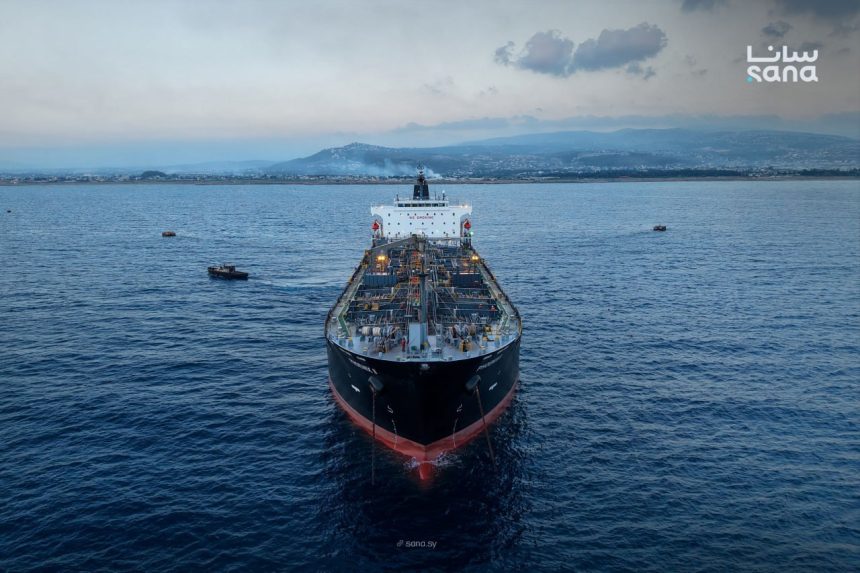
Tanker Unloading Begins
A diesel tanker with a capacity of 16,000 tonnes began unloading at the Baniyas depots on 12 October 2026, part of an effort to rebuild fuel supplies after weeks of acute shortage across several governorates. A second loaded tanker is waiting to discharge once the first cargo is cleared.
Two other tankers were turned away for failing to meet required specifications. Incoming cargoes are screened through a three-stage inspection, carried out in sequence, before any fuel is accepted into the depots.
Pricing Across Governorates
The incoming diesel is to be distributed to all governorates at a set price of 150 Syrian pounds (SYP) per liter. Diesel refined domestically at the Hasakah facilities is priced lower, at 115 SYP per liter, giving the two streams distinct price points for consumers.
Deliveries to the southern region, and to the capital Damascus in particular, are to move through the existing pipeline network rather than by road, a route intended to speed distribution once stocks are in hand.
Backlog at the Ports
Fifteen loaded tankers were reported waiting in holding areas to complete entry and unloading procedures, a queue that points to both the scale of demand and the bottlenecks slowing deliveries.
To bridge the gap while fresh cargoes are processed, remaining stocks at the Tishreen and Baniyas depots are being drawn down. The strict screening of arriving tankers is being maintained even under supply pressure.
Refinery Overhaul
The Baniyas refinery is undergoing a major overhaul intended to raise its processing capacity from about 80,000 barrels per day to 130,000 barrels per day. Output from the Homs refinery is also being coordinated upward to add to the volumes available for distribution.
Officials said supply stability should improve as deliveries settle into a steady rhythm and the refinery returns to fuller operation, framing the current measures as a bridge until domestic processing recovers.