New Settlement Guide
Syria's General Authority for Ports and Customs issued a decision adopting settlement guide rates for resolving customs violations. The measure is based on Customs Decree No. 109 of 17 May 2026 and takes effect upon publication.
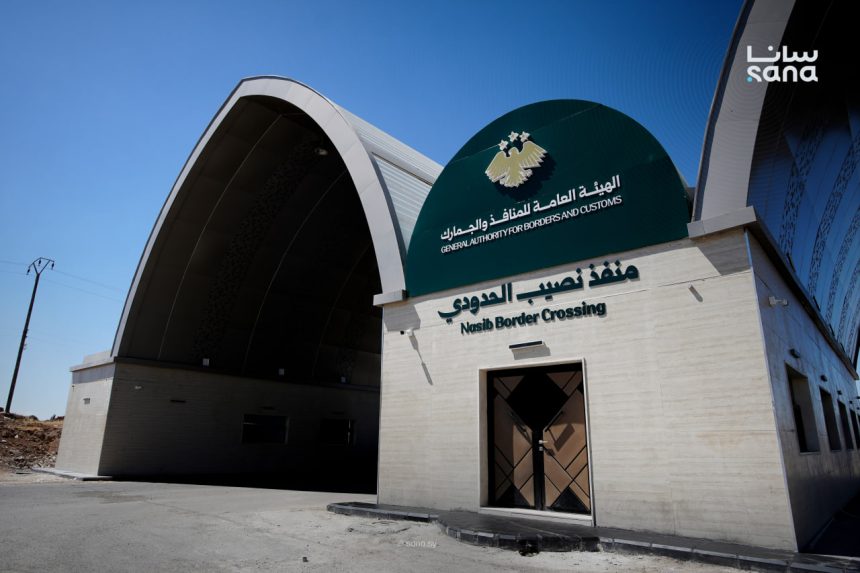
The guide sets the terms on which pending customs infractions can be settled administratively, standardizing how the authority processes cases across the country's crossings.
What It Replaces
The decision terminates the previous settlement guide that had been in force since 2 January 2024. All earlier instructions and decisions that conflict with the new rates are repealed.
Decree No. 109 itself superseded the country's two 2006 customs laws, No. 37 and No. 38, replacing the legal framework that had governed customs matters for nearly two decades.
Scope and Exceptions
The new schedule applies to open customs violations still being processed for settlement. Cases that have already been settled, and violations carrying final court rulings, are excluded from the revised rates.
By drawing that line, the authority keeps closed and adjudicated files outside the scope of the change while directing the new rates only at matters still in play.
Why It Matters for Trade
Settlement rates determine how much traders pay to clear customs violations without prolonged litigation. A single, updated schedule gives importers and clearance agents a clearer basis for resolving disputes and can speed the movement of held goods through the country's crossings.
Aligning the settlement terms with the newer customs decree also removes the gap between day-to-day practice and the law now in force, reducing room for disputes over which rates apply.