Updated Levy Instructions Issued
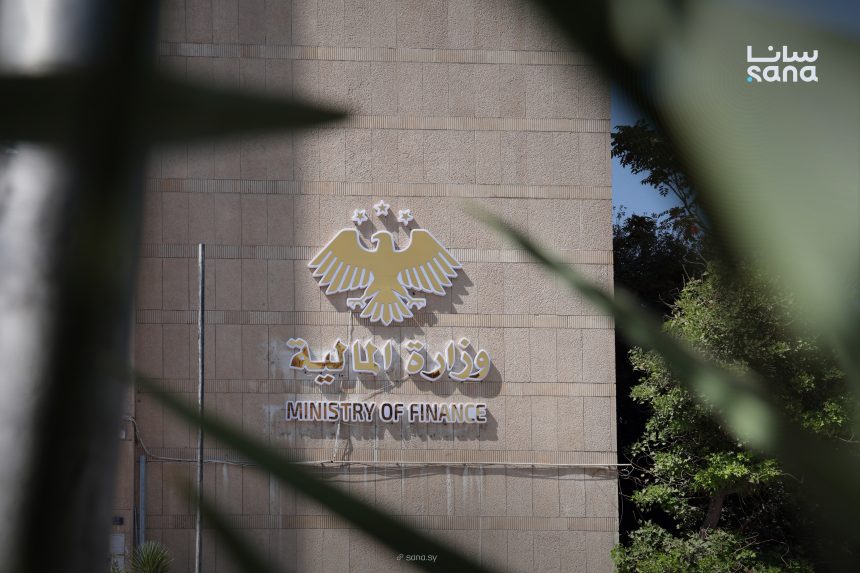
Syria's Ministry of Finance has issued updated executive instructions for the Consumer Spending Levy, established under Decree No. 11 of 2015 and amended by Law No. 15 of 2024. The ministry announced the measure through its official channel on Wednesday, 1 July 2026.
The instructions are framed as an administrative update meant to develop tax administration, strengthen transparency, and unify how the levy is applied across the country.
No New Burden Pledged
The ministry stated the instructions do not introduce any new tax or fee and place no additional financial burden on citizens or taxpayers. Their stated purpose is to organize and clarify the mechanisms for applying legislation already in force.
The goal, it said, is to make rights and obligations clear and to ensure the rules are applied fairly and equally to every taxpayer.
Leveling Local and Imported Goods
The update responds to a need to unify procedures between locally produced and imported goods, aiming to create fair competition among economic actors and to protect the revenues of the public treasury.
Taxpayers were urged to review the instructions and to use official communication channels to request clarification, with the stated intent of easing compliance and providing a stable, predictable tax environment for business and investment.
A 2015 Law Revived
Finance Minister Muhammad Yasser Barniya said at a seminar organized with the Damascus Chamber of Commerce on 21 May 2026 that the levy is not new but an existing law dating to 2015 that had never been fully enforced, eroding treasury revenue.
He said the levy would apply from the start of June 2026, attributing the earlier delay to the incomplete rollout of the electronic invoicing system needed to administer it.
Currency Backdrop
The move lands as the Syrian pound (SYP) firms against the US dollar (USD). The pound traded near 13,175 to the dollar on 1 July 2026, roughly 5 percent stronger than a week earlier and about 1 percent firmer over the previous day.
Gold stood at about $4,016 an ounce on the same date. The ministry has tied fuller enforcement of the levy to protecting public treasury revenues that eroded during the years it went only partly applied.