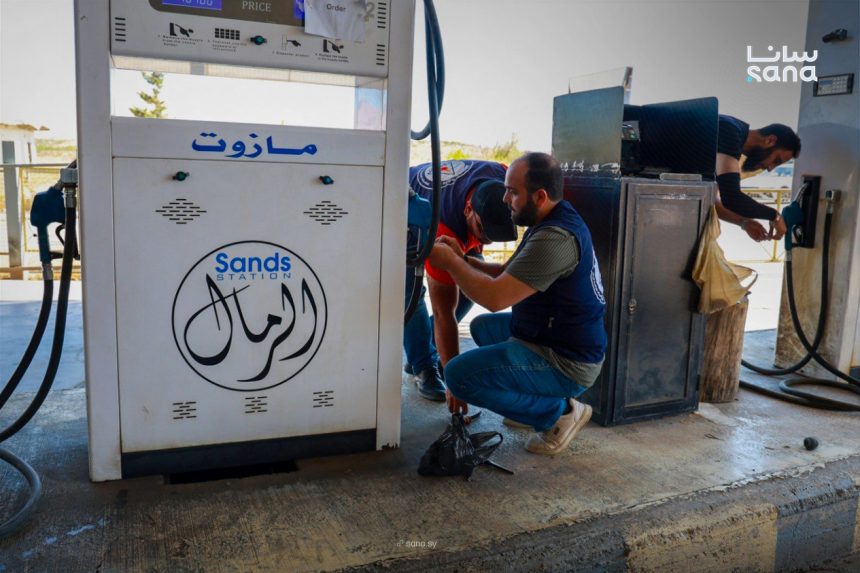
Crackdown on Fuel Stations
Syrian energy authorities documented 153 violations and ordered eight fuel stations closed on 6 July 2026 as part of an intensified inspection drive across the country's governorates. The action targeted stations accused of breaking the rules that govern how petroleum products are priced and distributed.
The closures and citations were described as part of continuing field campaigns rather than a one-off sweep, signaling sustained pressure on retailers in a tightly watched sector that touches nearly every household and business.
Violations Documented
The recorded infractions included selling fuel at inflated prices, mishandling reserve inventory, and dispensing quantities outside the regulated metering system. Inspectors also cited stations for breaching binding executive directives issued to the sector.
Selling above the set price and diverting stock away from official channels are among the most common complaints in a market where supply is closely managed and margins are politically sensitive. Each closed station represents a point where officials concluded the rules had been broken rather than merely bent.
Who Ran the Inspections
The campaign was carried out by the energy services directorates operating in the governorates, working under the supervision of the central Energy Services Directorate. The structure places local teams in the field to inspect pumps, meters, and pricing, while a central body coordinates enforcement standards so that penalties are applied consistently from one province to another.
Aim to Steady the Market
Officials framed the effort as an attempt to ensure that petroleum products reach citizens in line with the regulations in force, to promote fair distribution, and to bring greater stability to the fuel market. Fuel remains one of the most sensitive goods in the economy, feeding directly into transport costs and the price of nearly everything that moves by road.
Fuel pricing and availability remain a direct pressure point on household budgets, and by publicizing the count of violations and closures the authorities signaled that enforcement would continue. The announcement did not specify a timeframe for the campaign or name the governorates involved, leaving open how broad the next phase of inspections might be.