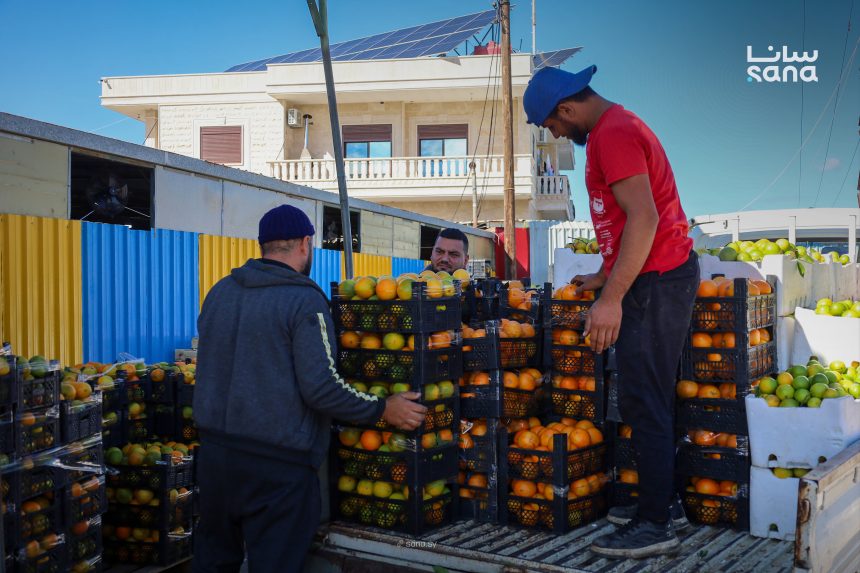
Import Ban Takes Effect
Syria has halted all imports of oranges under a decision issued by the National Import and Export Committee. The measure, recorded as Decision No. 15 of 2026 and dated 8 November 2026, covers oranges of every type and variety entering Syrian territory.
The ban took effect on 11 November 2026 and runs through 31 March 2027, spanning the core of the domestic citrus season.
Shielding the Local Harvest
The committee framed the step as a way to protect domestic agricultural output, support growers, and steady local markets through the harvest. By closing the border to foreign oranges for the season, the decision aims to keep demand directed toward Syrian fruit at a time of heavy supply.
Imported citrus has often arrived better sorted and packed, giving it an edge on the shelf that local produce struggles to match when the home crop peaks.
Growers Report Thin Margins
In the coastal governorate of Tartus, farmers were still harvesting the Abu Surra variety at prices that fell below production costs. Some described only a slight improvement after the ban began, saying returns still did not cover their outlays.
Others said the full effect on prices was not yet clear so soon after the measure took hold, leaving the season's outcome uncertain.
Calls for Cost Relief
Growers and traders urged authorities to pair the ban with steps that lower production and transport expenses, including smoother passage for refrigerated trucks at crossing points.
Several also pressed for help in exporting surplus crops to foreign markets, arguing that opening outlets abroad would do more than import limits alone to stabilize their incomes.
A Seasonal Trade Shift
The decision marks a seasonal reshaping of Syria's fruit trade, trading open borders for a sheltered window meant to give local growers room to sell. Its reach ends on 31 March 2027, after which the market reopens to imported oranges.