Tracking Every Batch
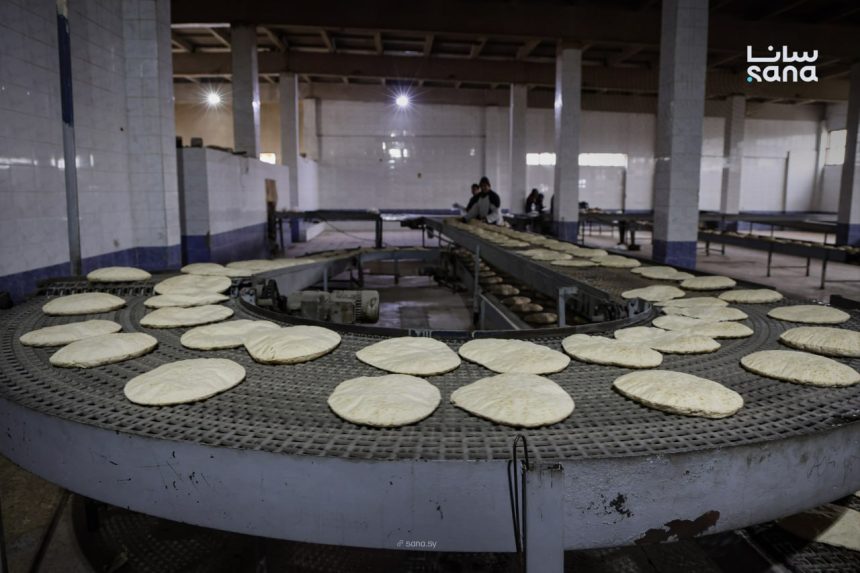
Syria's state bakeries corporation began applying a system on 9 November 2026 to record data on each batch of dough as it is prepared. The mechanism logs the flour used in production, registers the actual stock on hand, and relies on cameras and electronic records to monitor the kneading process.
When the batch counts logged by a supply monitor or an inspector do not match what the cameras show, the discrepancy is treated as a sign of a fault or a violation that warrants follow-up.
Targeting Diversion
The corporation said the aim is to control how much flour goes into bread and to curb the diversion of subsidized flour, which can be sold on or used for other purposes instead of baking bread for residents. Cutting waste in the production chain is a stated goal as well.
Its director general said the system is meant to produce reliable figures on the quantities kneaded each day, giving inspectors verifiable data on each bakery's true stock rather than self-reported totals.
Daily Inspections
The corporation described the system as applying to bakeries broadly, backed by daily inspection tours. It did not give a bakery count, a geographic rollout schedule, or a budget, saying that initial results should become visible over the coming days and weeks.
Success, it indicated, would be measured by whether documented flour consumption falls over time as opportunities to divert supplies narrow.
From Paperwork to Cameras
The change moves oversight away from periodic paper reconciliation and toward continuous visual verification of what each bakery actually processes. By tying recorded stock to footage of the kneading line, the corporation is trying to close the gap between declared and real consumption that paperwork alone could not capture. The approach also shifts the burden of proof onto the bakery when figures and footage diverge.
How far the method reaches will depend on how consistently the cameras, records, and field inspectors are kept in step across a large and dispersed network of outlets.
Why It Matters
Subsidized bread is a daily staple for Syrian households, and leakage of subsidized flour raises the cost of keeping shelves stocked at set prices. Flour diverted away from ovens can resurface at higher prices or feed unofficial channels, thinning the quantity that reaches families at the subsidized rate.
Tighter monitoring of consumption is intended to protect available quantities and reduce the losses that erode the subsidy, pressures that feed directly into household budgets and the state's spending on bread support.