Debt File Reopened
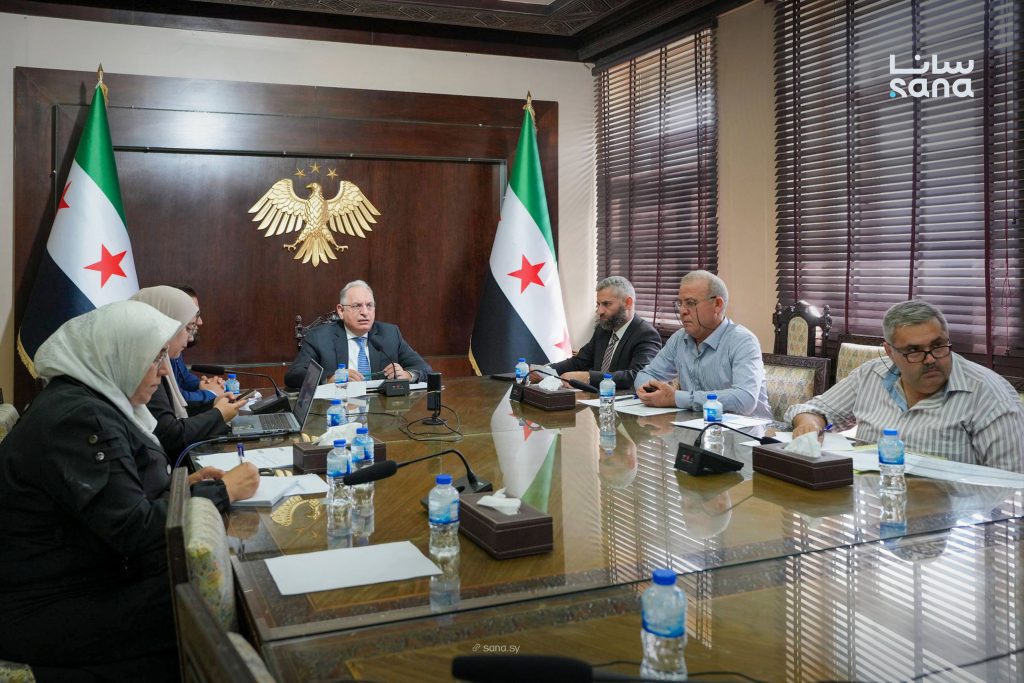
Syria's Ministry of Finance held a remote meeting on 24 September 2026 with a management team from the Abu Dhabi Fund for Development to discuss the country's outstanding debt, a file that had been dormant for more than 14 years. The contact was described as part of an effort to reopen channels with external development partners.
Finance Minister Mohammad Yasser Barnieh led the Syrian side and framed the meeting as an extension of warming ties between the United Arab Emirates and Syria.
Committee to Reconcile Arrears
The two sides agreed to reactivate a joint financial and technical committee charged with reconciling the debt, a mechanism that had been idle for well over a decade. Its task is to verify and match the outstanding obligations before any settlement can proceed.
The minister said the government intends to honor its commitments and put forward an initiative to resolve the file amicably and constructively, presenting the arrears as a basis for future investment rather than a burden alone.
Mission to Damascus Planned
Both sides pointed to an anticipated visit by the fund to Syria in the near term to carry out development projects and revive agreements that had been suspended. The trip would aim to convert renewed dialogue into financing that reaches the ground.
Reactivating those agreements would give the fund a part in Syria's recovery and reconstruction phase, according to statements issued after the talks.
A Gulf Development Lender
The Abu Dhabi Fund for Development is a state institution established in 1971 that finances economic and social projects in developing countries through concessional loans, grants and investments. It ranks among the Gulf's long-standing development lenders.
For an economy working to attract hard-currency inflows, renewed access to concessional financing matters, though no debt figure or financing amount was disclosed after the meeting.