An Unprecedented Wave
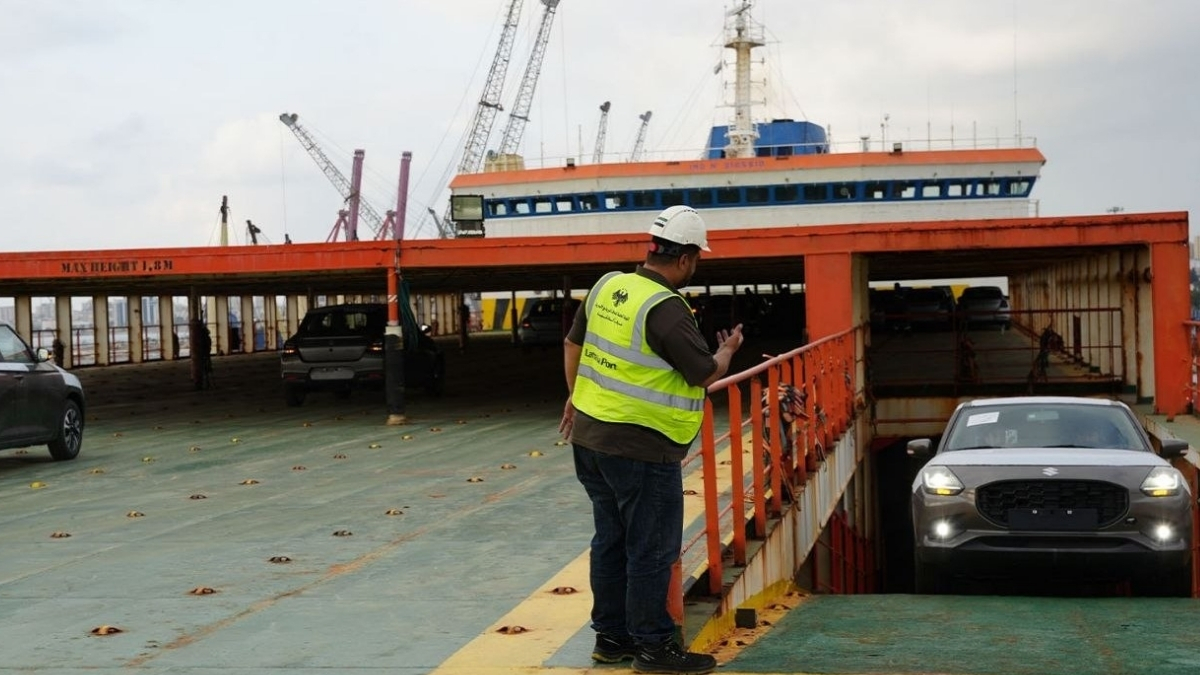
Syria has imported more than 500,000 used vehicles since 8 December 2024, an inflow that economists estimate has cost between $9 billion and $10 billion in foreign currency outflows. Most of the cars have moved through the Nassib border crossing with Jordan and the Tartous seaport.
The pace makes the past 17 months one of the most concentrated periods of vehicle imports in Syria's recent history.
The Tariff That Opened the Door
The surge followed a roughly 80 percent reduction in vehicle import tariffs and an initial age cap that limited eligible cars to model year 2011 and newer. The combination cleared the way for large-scale private imports by traders and individual buyers, most of it priced in US dollars (USD).
Qassem Kamel, a spokesperson for the Ministry of Economy, has defended subsequent import restrictions as efforts to manage the volume that the original opening unleashed.
The Opportunity Cost
Economist Muhammad Taysir Al-Faqih argues that the figure to watch is not the number of cars but what the country gave up to bring them in. "The problem lies not just in vehicle numbers, but in opportunity cost — what Syria lost economically," he said in remarks circulating on 24 May 2026.
Researcher Abdel-Azim Al-Maghribi has questioned the local market's ability to absorb the volume on the road, while analyst Rida Al-Dabs pointed to gaps in registration and inspection regulation.
Pressure on Roads and Environment
Environmental reporting on the trend has documented heavier emissions and traffic loads from the imported fleet across Syrian governorates. The fleet's age skews older, which adds to per-kilometer maintenance costs and fuel consumption.
The strain compounds existing fuel and maintenance pressures that Syrian households and freight operators were already navigating in 2026.
A Defining Trade Figure
The $9 billion to $10 billion outflow over 17 months has become one of the largest single private-sector spending lines in Syria's recent trade picture, even as the cars themselves remain on the road and in everyday use.