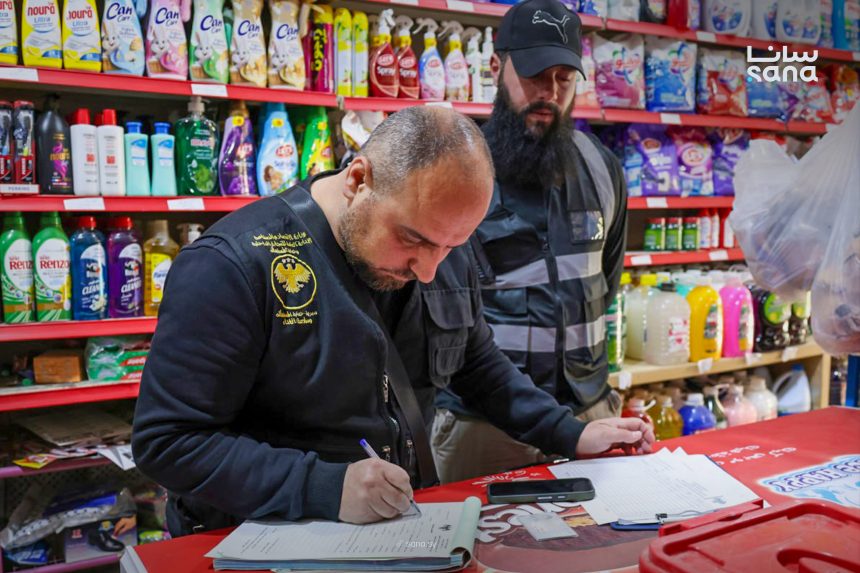
460 Violations Over Seven Days
Syria's Internal Trade and Consumer Protection Directorate in Damascus Countryside recorded 460 supply violations during patrols carried out between May 7 and 14, 2026. Inspectors visited 1,152 commercial outlets and 69 factories across the governorate, checking compliance with posted prices and product quality.
The patrols ran under the supervision of directorate head Abdel Salam Khaled, within the standing remit of enforcing official prices and Syrian standard specifications for goods on offer. The figures cover only one of Syria's governorates.
Wider Net Than the Prior Week
The seven-day count outpaced the 319 violations logged in the preceding window of April 29 to May 6, 2026, an increase of roughly 44 percent. The new figure works out to an average of more than 65 violations per day, with inspectors moving through about 165 retail sites and 10 factories on each working day.
The week-over-week jump did not come with a separate announcement on enforcement methodology, and the directorate did not break out repeat offenders from first-time infractions in the running total.
Samples Sent for Lab Tests
Field teams pulled samples of food and non-food products for laboratory analysis to verify conformity with Syrian standard specifications. The 460-violation count covers infractions detected during the inspection rounds themselves, separate from any failures that may emerge from the lab work in the following days.
17 Complaints From Residents
The directorate also processed 17 complaints filed by residents during the same week of May 7 to 14, 2026. That works out to about one complaint for every 27 patrol-detected violations, indicating that the on-site teams accounted for the bulk of the case load rather than walk-in citizen reports.
Subsidized Basket in Focus
The routine concentrates on the "tamwini" subsidized basket — flour, bread, oils, sugar and similar staples — where the price gap between rationed channels and the parallel market creates incentives to divert stock. Bundling 1,152 retail outlets with 69 factories in a single sweep ties processing sites and points of sale into the same enforcement chain.
The weekly release did not break down how the violations split between retail outlets and factories, nor what share of cases escalated to closure or seizure rather than fines. The headline metric remains the running weekly total of violations.