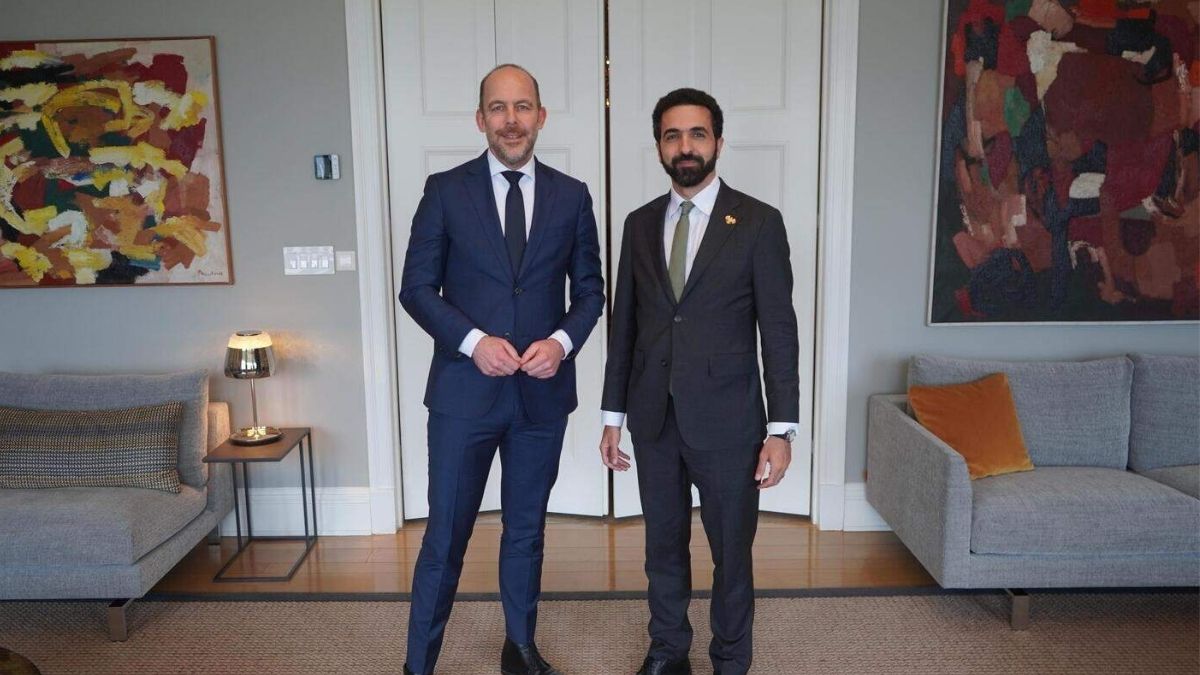
New York Meeting on Returns
The Dutch minister for asylum and migration, Bart van den Brink, met Syria's permanent representative to the United Nations, Ibrahim al-Alabi, on the sidelines of the International Migration Review Forum in New York. The Dutch government described the encounter as the first direct exchange of its kind between the two sides on the future of Syrian asylum seekers and reconstruction.
Van den Brink called the meeting "unique," noting that representatives from the United States, Turkey, Jordan, and several European states also took part in discussions covering returns and reconstruction inside Syria.
Financial Support for Returnees
The Netherlands offers returnees 5,000 euros per adult and 2,500 euros for each minor child as part of its voluntary return scheme. Around 945 Syrian nationals left the Netherlands for home over the past year under similar arrangements, against a Dutch-resident community of more than 150,000 people of Syrian origin.
Many of those residents arrived as refugees over the past decade, and a sizeable group is still waiting on pending asylum decisions.
Tighter Asylum Posture
Van den Brink said a growing number of pending Syrian asylum applications are now being rejected on the grounds that conditions inside the country have visibly improved, while acknowledging that reconstruction still faces large challenges. He declined to set a fixed return target for the Netherlands, saying the goal is for Syrians themselves to seriously consider returning rather than for the debate to be reduced to numbers.
The German government has signalled an ambition to see roughly 80 percent of Syrian refugees in Germany return home, a benchmark the Dutch minister explicitly rejected as a model for The Hague.
European Aid Trails US Support
Van den Brink urged the Netherlands and the wider European Union to lift their financial contributions to stability inside Syria, saying current European aid still lags significantly behind support extended by the United States. He also said a new European program designed specifically to back the return of Syrians is close to being launched.
What It Signals for Damascus
The exchange in New York is the latest signal that European capitals are recasting Syria policy from containment toward conditional engagement, linking reconstruction support to the management of refugee flows. For Damascus, larger Dutch and European involvement in reconstruction would help unlock financing and project pipelines that have remained dormant under the post-2011 European sanctions architecture.