Two Million Tons by May
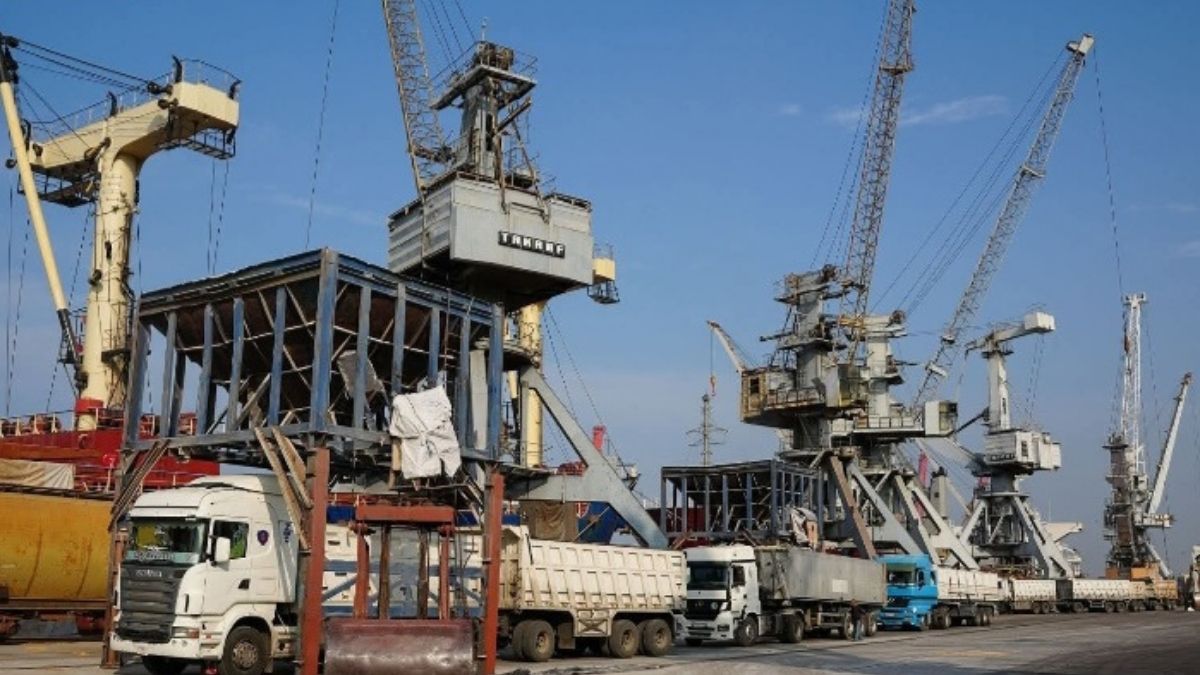
Latakia Port on Syria's Mediterranean coast handled more than 2 million tons of cargo and containers during the first five months of 2026, moved aboard 273 ships, according to figures released by the General Authority for Ports. Roughly 120,000 containers passed through the terminal over the same stretch.
The authority characterized the results as evidence of an accelerating operational pace and notable growth in foreign trade crossing the coast, in the latest snapshot of commercial activity at the country's main maritime gateway.
April's Single-Month Surge
In April 2026 alone, the port handled about 350,000 tons of goods carried by 68 commercial vessels. By the end of that month it had received 211 ships since the start of the year, processing some 900,000 tons of cargo and roughly 83,000 containers.
The comparison points to a marked acceleration in the final weeks of the reporting window, with throughput in May lifting the five-month total past the 2 million-ton mark.
Tartous Joins the Upturn
Activity also rose at Tartous, the country's second commercial port, which received 298 ships during the first four months of 2026. Of those, 266 were cargo vessels and 32 arrived for maintenance work, signaling that the rebound extended along the wider coastline rather than to a single harbor.
Customs and Equipment Overhaul
The authority attributed the gains to new equipment and machinery that sped up handling and shortened the time vessels spend at berth, alongside simplified customs procedures meant to ease imports and exports.
Faster turnaround, it said, has made the coast more attractive to shipping lines and maritime transport companies looking for reliable Mediterranean calls.
A Barometer for Trade
Officials framed Latakia as a vital logistics hub on the Syrian coast, positioning rising port traffic as a gauge of recovering external commerce. With the country working to rebuild its trade links, the throughput data offers one concrete, measurable indicator of where that effort stands midway through 2026.