A $7 Billion Financing Package
A syndicate of international lenders has agreed to arrange roughly $7 billion (USD) in debt financing for reconstruction projects in Syria, one of the largest foreign financial commitments to the country since the change of government. The arrangement brings a major United States bank together with two large Gulf lenders.
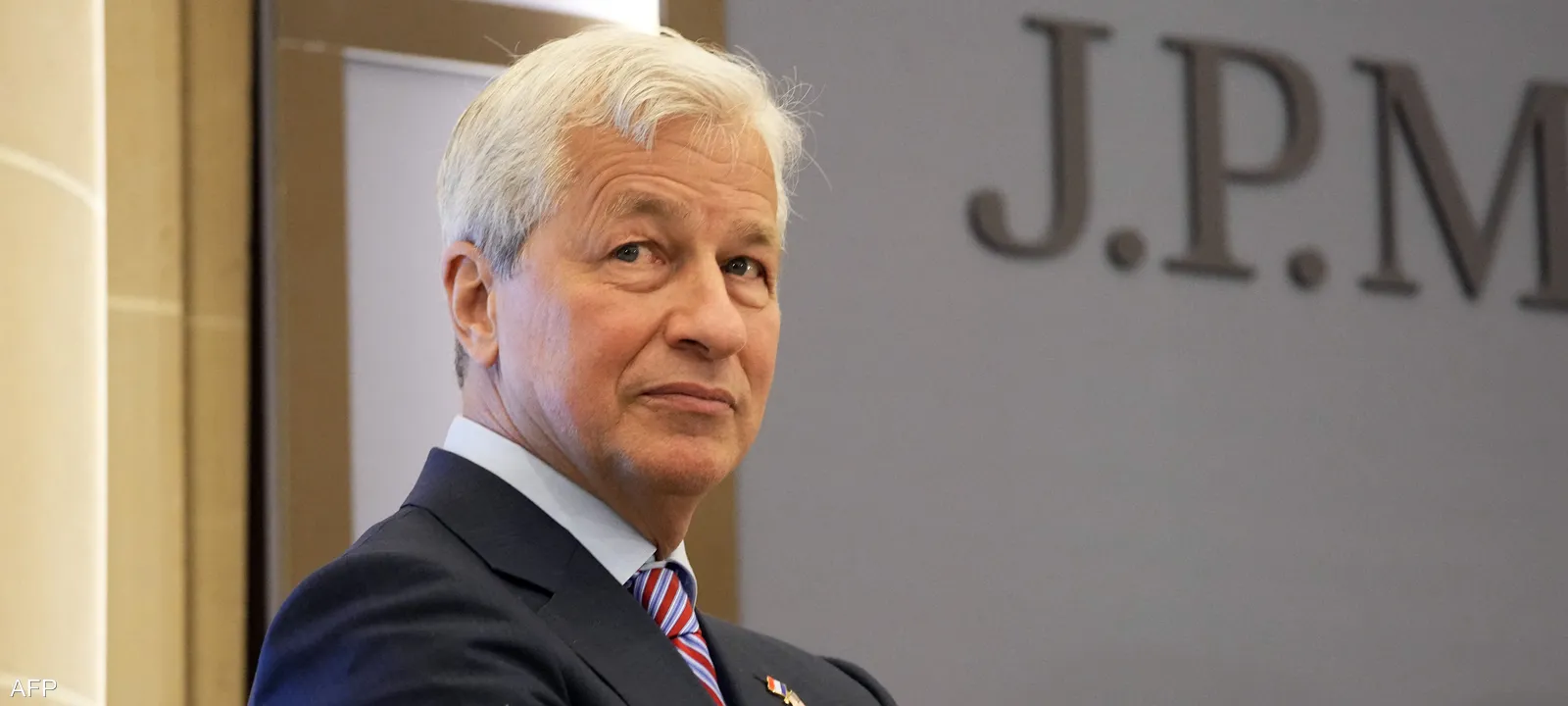
The financing is led by JPMorgan alongside Qatar National Bank and Abu Dhabi Commercial Bank. The borrower is Power International Holding, a Qatar-based group whose construction arm, UCC Holding, is controlled by the Syrian-origin Al-Khayat family.
Four Power Plants and a Solar Farm
The money is earmarked for a power-generation program agreed with authorities in Damascus, comprising four thermal power plants and a solar farm. Two Turkish energy companies are joining the consortium on the construction side.
Backers of the program estimate it will create about 50,000 direct jobs and some 250,000 indirect positions, a significant figure for an economy where electricity shortages have constrained industry and daily life for years.
A US Bank Returns
The participation of a major American bank marks a notable shift. For more than a decade, international sanctions kept Western financial institutions away from Syrian projects. The easing of United States restrictions has begun to reopen access to global capital markets.
The power deal is part of a broader wave of foreign interest. A Gulf telecommunications operator is separately preparing to invest more than $1.5 billion (USD) after securing a license to run a mobile network in the country.
Currency in the Background
The commitments land against a weak currency backdrop. The Syrian pound (SYP) has fallen about 4.4 percent against the US dollar (USD) over the past week, trading near 13,000 to the dollar. Large inflows of foreign capital, if sustained, are among the few forces that could stabilize the exchange rate over time.
Officials have framed reconstruction financing as central to recovery, though converting signed agreements into operating plants will take years.