Tokyo Eases Syria Sanctions
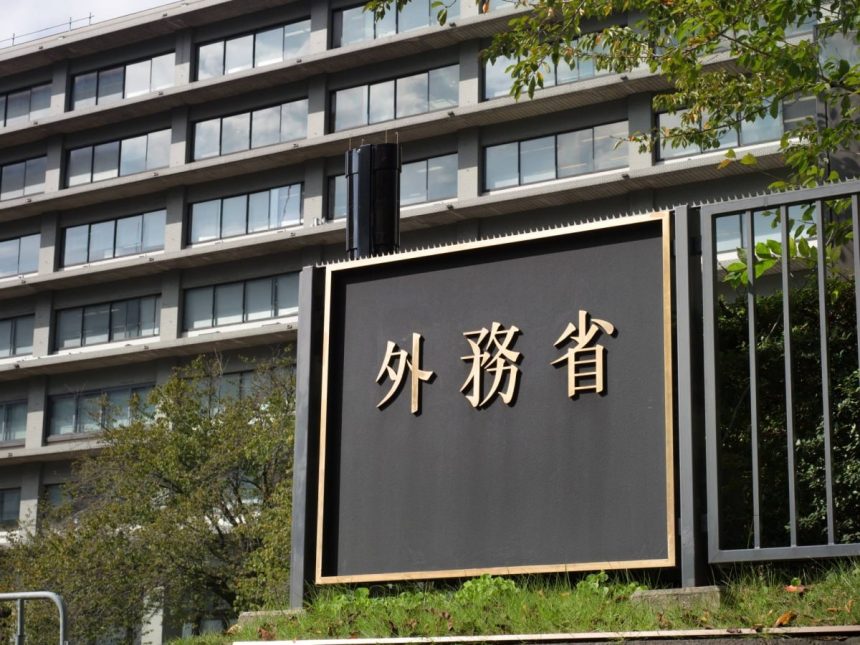
On 29 September 2026, Japan's Foreign Ministry lifted asset-freeze measures and related restrictions on 16 Syrian entities, including the Defense and Interior ministries. The step took effect through a notice issued the same day.
The announcement came in a statement the ministry published on the X platform. Officials said the move was taken "in light of developments related to Syria and bilateral relations between the two countries."
Banks and Oil Firms Freed
The unfrozen list reaches deep into Syria's financial and energy sectors. It covers the Commercial Bank of Syria, the Syrian-Lebanese Commercial Bank, Syria International Islamic Bank, and the Real Estate Bank.
On the energy side, the measure releases the General Petroleum Corporation, the Syrian Petroleum Company, the Syrian Company for Oil Transport, the oil-trading firm Sytrol, and the fuel distributor Mahrukat. The Political Security Directorate was also removed from the list.
What Stays Restricted
Japan kept sanctions in place on 59 individuals, among them former president Bashar al-Assad, and on 15 entities tied to the former government.
Payments and financial transfers involving anyone still listed continue to require prior approval from Japan's finance and trade ministries under the country's foreign-exchange and foreign-trade law.
A Phased Rollback
The decision extends a gradual easing that followed the former government's collapse. On 30 May 2025, four Syrian banks were removed from the freeze list: the Industrial Bank, the Popular Credit Bank, the Savings Bank, and the Agricultural Cooperative Bank.
The original measures dated to 2011, imposed against the backdrop of the war in Syria. Also freed in the latest round were Syriatel, the Military Housing Establishment, the Cotton Marketing Organization, and the state broadcaster.
Why It Matters
Lifting the freeze on the Commercial Bank of Syria and the state oil producers clears a legal barrier that had blocked routine dealings with Japanese banks and companies.
The change forms part of a Japanese review of its policy toward Syria since the former government fell, reopening a channel for institutions central to trade financing and energy exports.