Baghdad's Export Plan
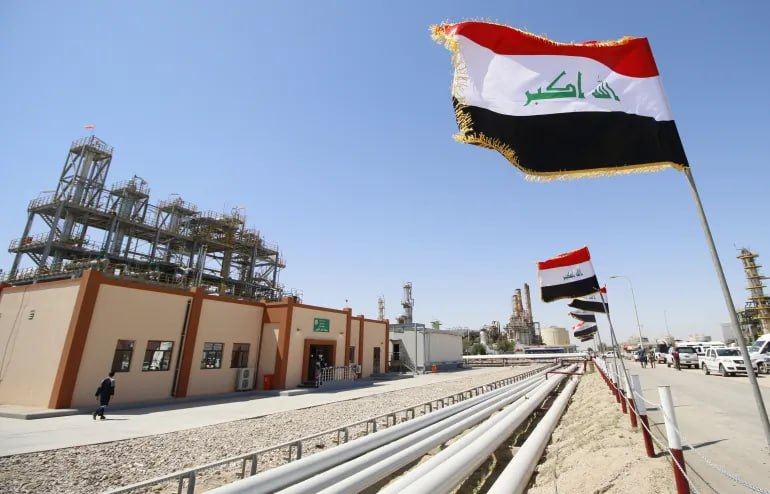
Iraq's oil minister, Bassem Mohammed Khudair, announced plans to raise the country's crude oil exports routed through Syria and the Turkish port of Ceyhan to more than 1 million barrels. He said the increase would come through expanded pipeline capacity linking Iraqi fields to the Mediterranean.
Iraq is currently exporting about 3 million barrels per day in September 2026, he said, describing the figure as consistent with the country's commitments under its OPEC production ceiling.
Syria as a Transit Route
The plan revives Syria's role as an oil transit corridor. On 18 July 2026, Syria signed two memorandums of understanding with Iraq and a coalition of international companies to rehabilitate and reactivate the Kirkuk–Baniyas crude oil pipeline.
The pipeline is described as one of the region's most important oil-linking projects. Its revival is presented as a strategic step to reactivate that link and to deepen energy-sector cooperation between the two countries.
Production Ceiling and Targets
The minister said Iraq's output does not currently exceed 4.2 million barrels per day, in line with its OPEC production ceiling. He set out a longer-term goal of lifting export capacity to 5 million barrels per day.
That target, which he had outlined earlier in the week, depends on completing strategic lines running toward Fishkhabur and Baniyas, alongside export outlets through the Strait of Hormuz.
Diversifying Export Routes
The approach spreads Iraqi crude across several corridors rather than a single outlet, combining the route through Syria and Ceyhan with the strategic lines toward Fishkhabur and Baniyas and the shipments moving through the Strait of Hormuz.
For Syria, the Kirkuk–Baniyas leg is the element that runs across its territory, tying the country directly into that wider export map.
Implications for the Energy Sector
Reactivating the Kirkuk–Baniyas line would restore a cross-border artery that has long been dormant, placing Syrian territory on a major crude export path to the Mediterranean.
The project connects Syria's energy infrastructure to a broader regional export strategy that also extends through Turkey, reinforcing the country's position in the transit map for Iraqi crude.