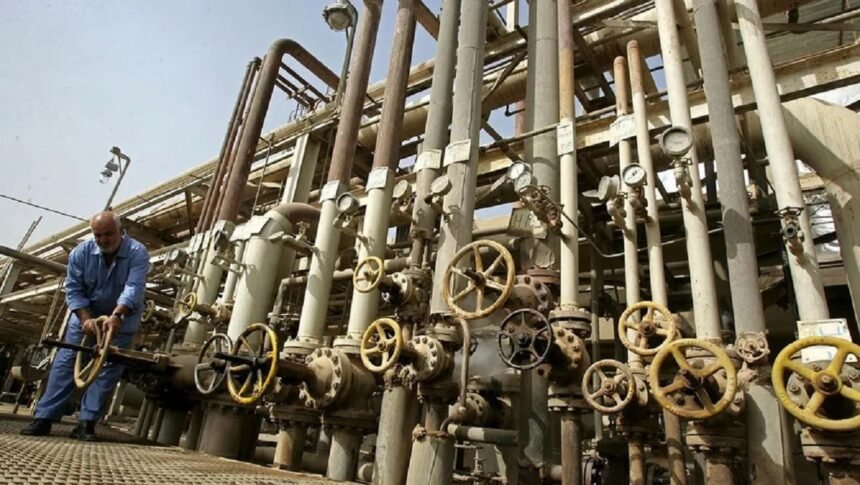
A New Mediterranean Outlet
Iraq is accelerating efforts to move its crude oil to international markets through overland routes that bypass the Strait of Hormuz, with the Mediterranean port of Banias on Syria's coast among the outlets in its sights. The push was set out on 7 June 2026.
The strategy would shift a growing share of Iraqi exports away from the Gulf and toward pipelines and ports along the eastern Mediterranean, a corridor that runs through Syrian and Turkish territory.
Raising Northern Capacity
The director-general of the Basra Oil Company, Abdul Karim al-Shammari, said the country aims to lift its northern export capacity to about 650,000 barrels per day in the near term. That figure is presented as a step toward broader plans that envisage shipments exceeding one million barrels per day through pipelines linked to Turkey and Syria.
The targets signal a deliberate rebalancing of how Iraqi barrels reach buyers, with overland pipelines taking on volumes that have long depended on Gulf tanker traffic.
Pipelines Back in Play
The Kirkuk-Ceyhan pipeline has been reactivated following an agreement between the federal government and the Kurdistan Regional Government, reopening a long-idle northern artery.
Planned projects include the multi-directional Basra-Haditha pipeline, designed to feed the ports of Aqaba, Banias and Ceyhan and to give exporters more than one direction in which to send barrels.
Why Bypass Hormuz
Oil revenue accounts for more than 90 percent of Iraq's budget, leaving the economy exposed whenever traffic through the Strait of Hormuz is disrupted. Recent disruptions forced production adjustments and raised concerns over filling storage capacity.
What It Means for the Corridor
Routing Iraqi crude westward would place Syrian and Turkish territory at the center of a revived export corridor to the Mediterranean. For Banias, repeatedly named among the target terminals, the plans point to a larger role in moving regional oil to seaborne buyers.
Should the capacity targets be met, the eastern Mediterranean outlets would carry a meaningful share of the crude that Baghdad currently sends through the Gulf, tying the corridor's fortunes more closely to the pipelines crossing Syria.