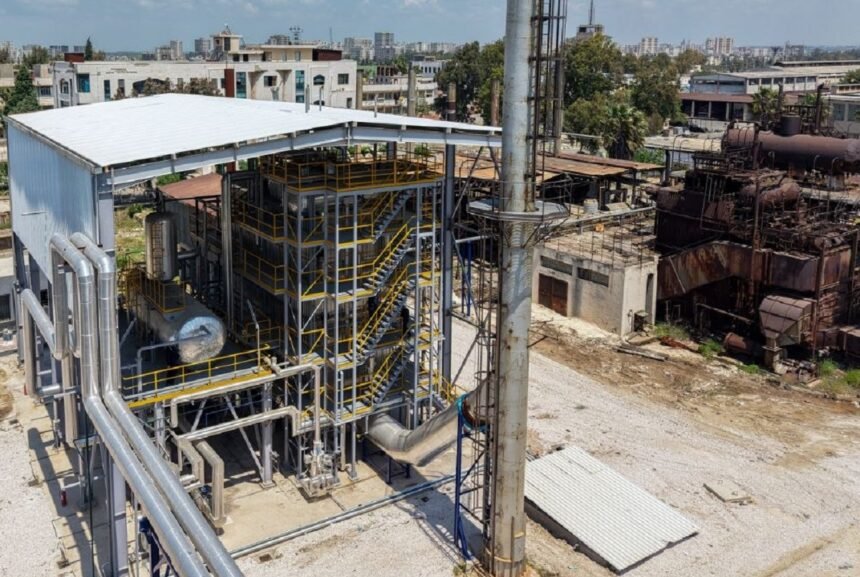
New Boiler Goes Live
The state-run Syrian Petroleum Company has commissioned a new steam boiler at the Homs refinery in central Syria, putting the unit into service after the completion of construction and official testing. The company's chief executive, engineer Youssef Qablawi, inaugurated the equipment during a visit to the site in June 2026.
The boiler has a production capacity of 25 tons of steam per hour. Officials said the addition is intended to raise the refinery's output and strengthen its operational readiness, describing it as a step toward more reliable day-to-day running of the plant.
Units Back in Service
The steam feeds several of the refinery's core processing units, including the Czech-built Unit 21, the asphalt production facility, and units that upgrade naphtha. During the site tour, the two units were inspected after being returned to service.
The asphalt the plant produces is used in road paving and construction, while naphtha upgrading yields lighter products and feedstock. Management met with technical and administrative staff to review plans for increasing production and improving operating performance, with an emphasis on workplace safety and health standards.
Why the Steam Matters
Steam is essential to the thermal and chemical processes that keep a refinery's units running, and a dedicated boiler reduces the risk of interruptions to those operations. The new capacity is meant to provide a stable supply to the units that depend on it, limiting the unplanned stoppages that can idle production.
The chief executive described the project as "an important addition to operational infrastructure," linking it to the company's modernization priorities.
Rebuilding Refining Capacity
The work at Homs is part of a wider program of rehabilitation and development that the company says it is carrying out across its facilities. The effort also covers improvements to working conditions for employees and the gradual return of equipment that had been out of operation.
Domestic refining capacity underpins the country's fuel and asphalt supply, and returning idle units to service expands the volumes that can be processed locally. Each restored unit adds to the plant's ability to keep core operations online.