American Operator Steps In
The Syrian Petroleum Company (SPC) and US-based HKN Energy laid out plans to raise output at the Rmeilan oil fields in Hasaka Governorate, described as Syria's largest and oldest cluster of wells. The American firm took over operational management of the fields in mid-July 2026.
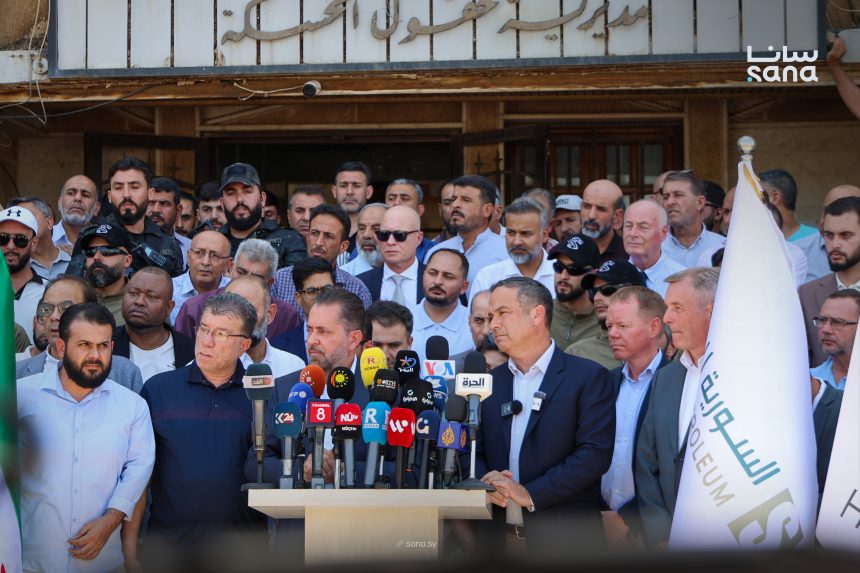
The two companies presented the roadmap at a joint briefing held at the fields themselves, signaling that the handover has moved from paperwork to work on the ground.
Target of 200,000 Barrels
Executives set out a timeline to lift production gradually toward roughly 200,000 barrels per day. The plan pairs modern extraction technology with rehabilitation projects intended to improve the efficiency of aging infrastructure and restore fuller operations at the site.
The briefing also reviewed rehabilitation works the operator will carry out to lift operational efficiency across the field, part of a phased approach rather than an immediate jump in output.
Local Hiring Pledge
Both sides said they would rely on national expertise and open participation to residents living near the fields. They framed the arrangement as support for local development as well as for the wider oil and gas sector.
Strategic Handover
Ahead of the announcement, delegations led by SPC director Youssef Qablawi and HKN chief Mark Rollins toured the Hasaka fields and met at the field directorate to review site-handover procedures and work mechanisms. Qablawi had inspected operations at Rmeilan in mid-July, shortly after the American company assumed control.
Signal for the Sector
A US energy company operating Syria's flagship field marks a notable opening for foreign investment in a hydrocarbons industry that has long anchored state revenue. The stated aim of restoring output at the country's largest well cluster points to a broader effort to revive domestic production and put idle capacity back to work.