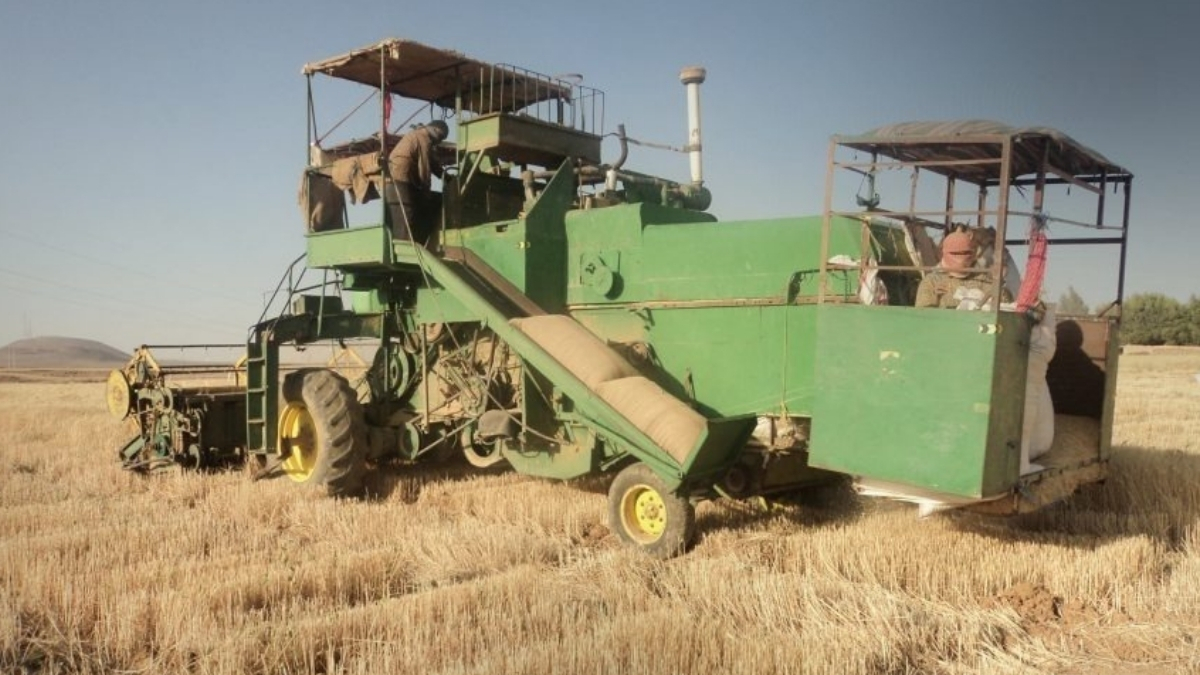
Record Season in the Northeast
Al-Hasaka governorate in northeastern Syria is heading toward an exceptional barley season, with rain-fed output expected to reach about 600,000 tons. Agricultural officials say the area has not recorded comparable productivity since the 1980s, crediting abundant winter and spring rainfall that continued well into the planting period.
By the Numbers
Rain-fed barley was sown across roughly 268,000 hectares this season, alongside about 21,000 hectares of irrigated barley spread over five agricultural zones. Average yields reached 400 kilograms per dunam, rising to between 450 and 500 kilograms in the most productive areas.
The local agricultural director noted that earlier strong seasons, including 2002 and 2019, fell short of this year's results, describing the current harvest as the strongest the governorate has seen in roughly four decades.
Relief for the Feed Market
Black barley currently trades at $220 to $230 per ton (USD), well below the more than $500 reached during recent drought years. The larger crop is expected to ease pressure on the livestock feed market and let traders build stocks for coming seasons, a shift with direct consequences for herders and dairy and meat producers.
Costs Temper the Gains
Farmers cautioned that higher operating expenses are eating into the benefit of the bigger harvest. Rising costs for harvesting equipment, fuel and transport continue to squeeze margins, leaving some growers with slim profits despite the unusually heavy yields.
Voices From the Fields
Growers described fields that recalled "scenes of ancient harvests," with well-filled grain heads and none of the drought waves that scarred recent years. One farmer said the season had "surprised most farmers," exceeding expectations even after the improved rainfall.