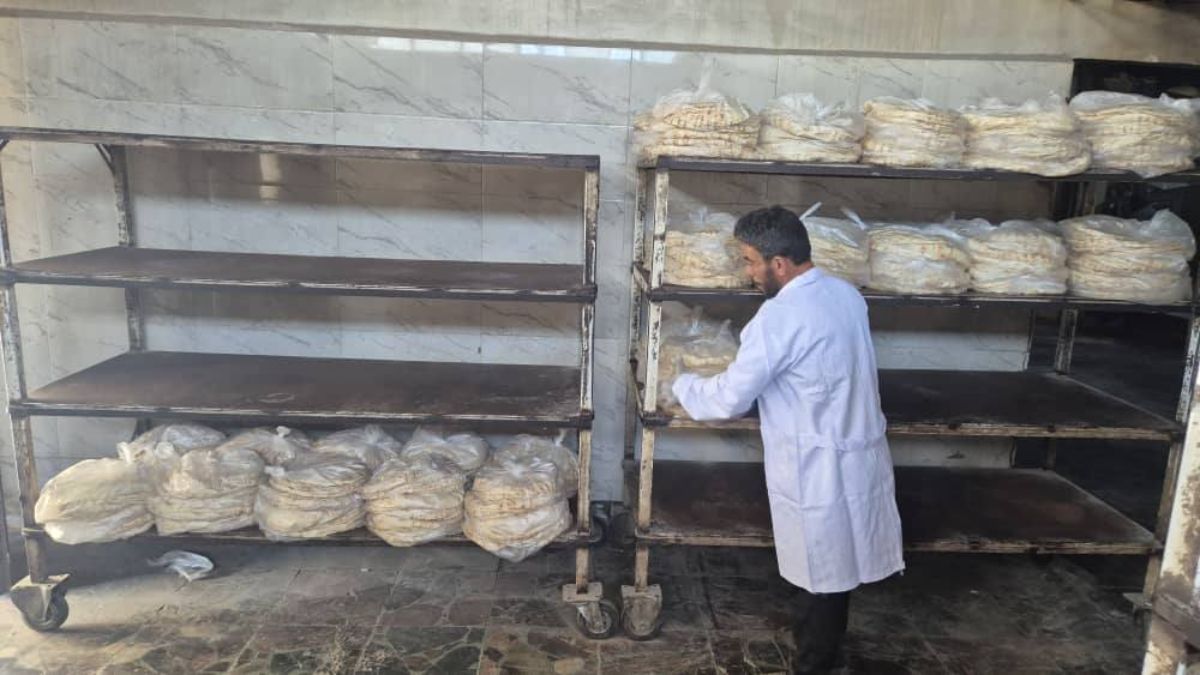
Bakeries Squeezed in Daraa
Private bakery owners in Daraa province, in southern Syria, say they are absorbing steady losses because they buy production inputs in US dollars (USD) while selling bread at prices fixed in Syrian pounds (SYP). On 3 June 2026 a group of operators submitted formal complaints to local authorities, asking for restored support and a fresh assessment of production costs.
The operators warn that the gap between their costs and the regulated selling price is no longer sustainable, and that some bakeries are struggling to keep running.
Fuel Costs After Subsidies
Much of the pressure traces to fuel. After mazout subsidies were lifted in April 2026, the price reached about 124 SYP per liter, equivalent to roughly $0.88, compared with a subsidized rate near 70 SYP per liter beforehand.
Bakers say the change has been compounded by higher consumption, as producing one ton of bread now requires close to 130 liters of fuel, up from about 100 liters. Before the subsidy ended, licensed bakeries had been able to secure the fuel at the lower official rate.
Flour and the Pricing Gap
Flour costs tell a similar story. Licensed bakeries received subsidized flour allocations priced around 21,500 SYP, while the open-market price climbed to roughly 40,000 SYP. With the pound trading near 140 to the dollar, dollar-denominated inputs weigh heavily on margins.
Smaller Loaves, Higher Bills
Households are feeling the squeeze directly. The standard bread bundle has been reduced from 1,200 grams to 1,000 grams, and the loaf diameter has been trimmed. Residents report buying more bundles than before to feed their families, raising overall spending on a staple.
Calls for Relief
Bakery owners are pressing authorities to restore subsidies or to set selling prices that reflect actual costs. The outcome will shape both the viability of local bakeries and the affordability of bread, a core item in household budgets across the province.