Rents Outrun Wages
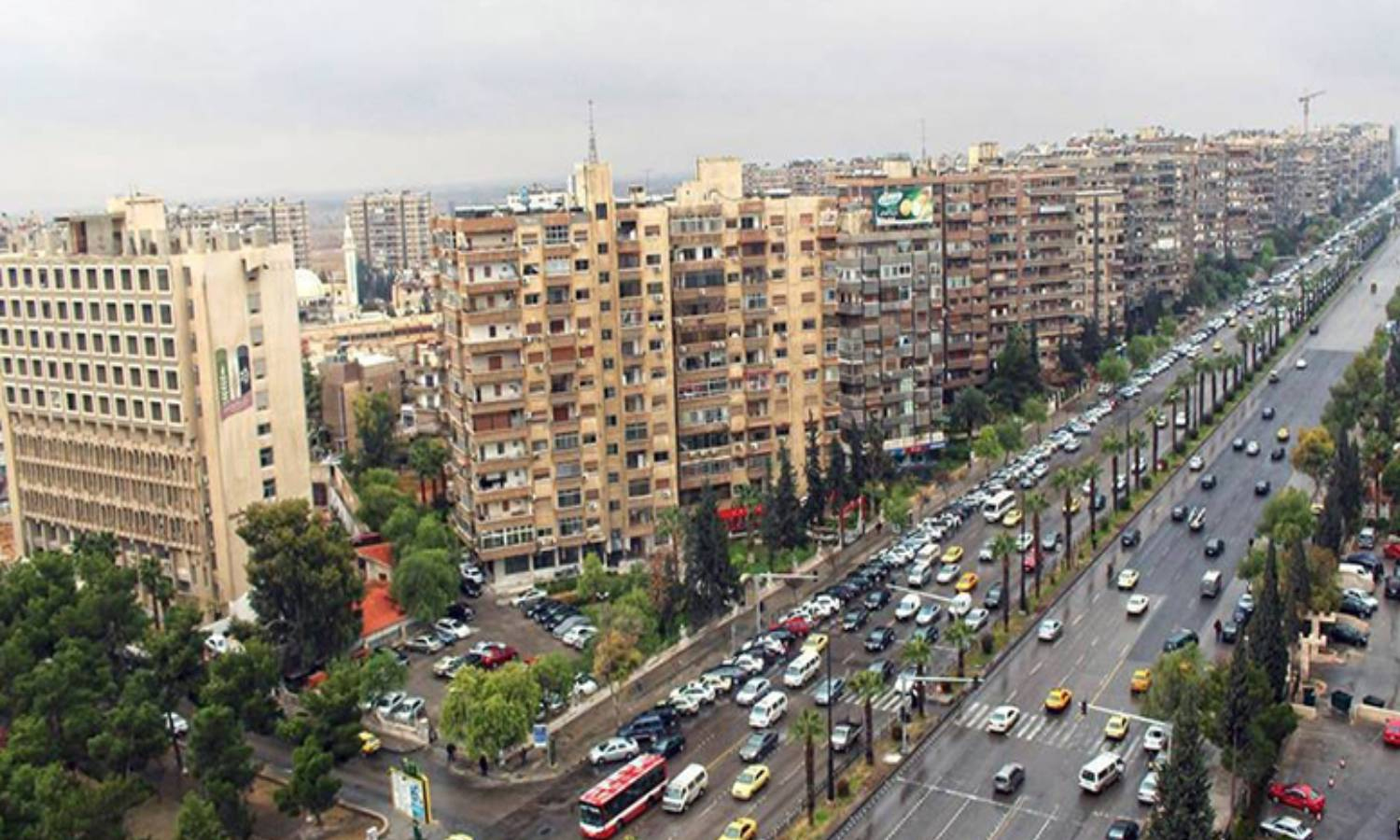
Residential rents in Damascus have risen sharply in mid-2026, with sizable gaps between neighborhoods and a widening disconnect between housing costs and household incomes. In the Al-Muhajirin district, monthly rents range from $200 to $600 (USD), while traditional Arab houses run between $200 and $400.
Modern apartments in districts such as al-Mayssat and Rukn al-Din command $500 to $700 a month, with the US dollar trading at roughly 14,600 Syrian pounds (SYP).
Dollars and Annual Hikes
Landlords increasingly require payment in dollars and build in yearly increases. Tenants report annual rises reaching 50 percent, with no legal ceiling to cap them.
Higher Than the Gulf
A realtor, Suleiman al-Hteimi, observed that current rents exceed those in major Gulf cities such as Dubai and Riyadh, even though local infrastructure and services lag well behind.
Empty Homes, Tight Supply
A real estate agent, Abu Said, argued the core issue is not only rising values but a glut of properties left unusable. He estimated about 1.5 million residential units exist but lack the renovation needed to make them habitable, keeping effective supply tight.
Contracts and the Tax Gap
Underreporting of rental values on official contracts persists as a way to reduce property tax exposure, obscuring the true scale of the market. Rental housing stands out as a central cost-of-living strain, one that points to a need for regulation balancing the interests of landlords and tenants.