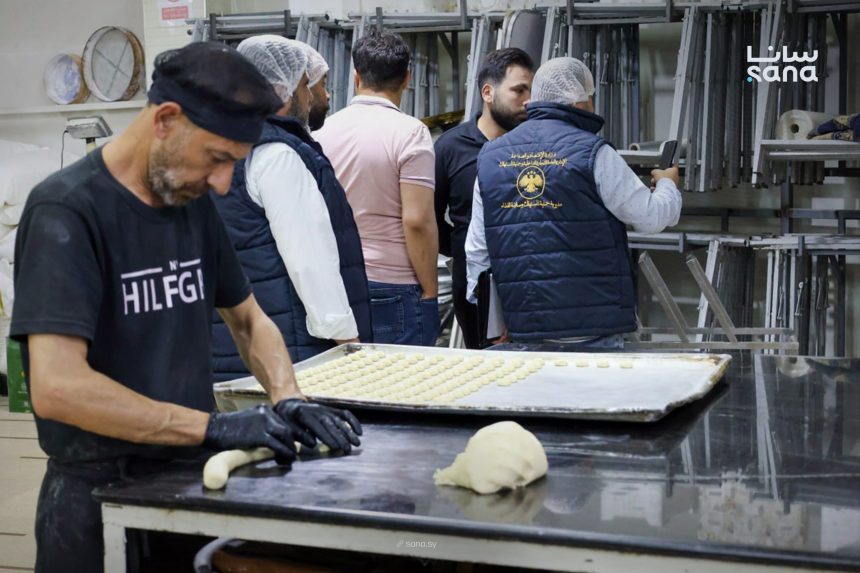
Half-Year Enforcement Tally
Consumer-protection authorities in Damascus recorded 61,447 violations of supply and pricing rules during the first half of 2026, according to figures released on 4 August 2026. The tally emerged from 22,422 inspections carried out by internal-trade teams across markets in the capital.
The directorate presented the campaign as a continuing and expanding effort to protect consumers and keep the market stable. It said inspection teams worked across retail outlets, food premises and production sites rather than targeting a single sector.
Bakeries Struck Off
Seventy-four bakeries were removed from official registers during the period. Inspectors cited repeated cases of underweight bread, improper use of rationed flour, and poor manufacturing standards as the main reasons for the delistings.
Bread is a staple whose price and weight households watch closely, making bakery compliance one of the most sensitive fronts in day-to-day market oversight. The delistings were among the campaign's most consequential penalties.
Where Shops Fell Short
The recorded violations spanned several categories, including failure to display prices, selling without proper receipts, breaches of health rules, and infractions tied to meat sales. Bakery non-compliance formed a distinct and recurring category within the total.
Inspectors treated missing price tags and absent receipts as core breaches, since both make it harder for shoppers to verify that goods are sold at declared rates. Health-code and meat-handling violations pointed to gaps in food safety alongside the pricing concerns.
Outreach and Partners
Alongside enforcement, teams made 920 educational visits to food facilities aimed at improving compliance rather than imposing penalties. The directorate also cited cooperation with international bodies, including the United Nations Industrial Development Organization, the Food and Agriculture Organization, and the World Food Programme.
Officials framed the mix of inspections, delistings and guidance as an evolving system intended to hold prices and quality steady across the capital's markets. They said the effort would continue and develop through the rest of the year.