Free Zone Reopens for Business
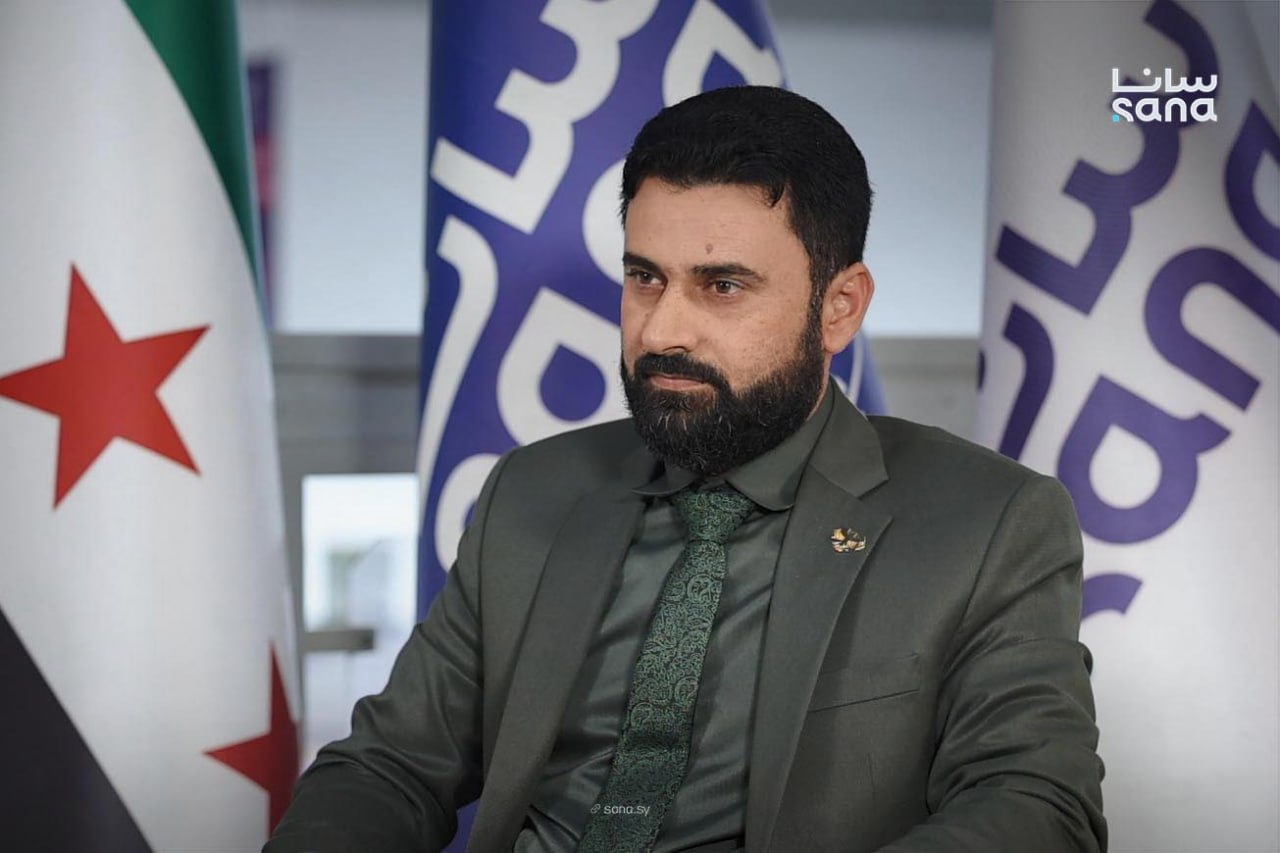
The Adra Free Zone in the Damascus countryside has drawn about 400 local, Arab and foreign investors and now runs above 80 percent occupancy, its director said on 2 September 2026. He described the site, once among the largest free zones in the Middle East, as reclaiming its role as a regional trade and export hub.
Strategic Location and Rail
The zone sits north of Damascus, close to Damascus International Airport and along the M5 highway linking Aleppo and Damascus. It is connected by rail to Syrian ports, positioning it as a gateway for investors shipping goods to outside markets.
Exports and New Industries
Firms based in the zone have begun exporting to Gulf states including Qatar and the United Arab Emirates, as well as to Jordan and Turkey. Investors are concentrated in car and vehicle-parts trading, alongside services, customs brokers and engineering companies.
Specialized manufacturing includes gold processing, and production lines for fiber-optic cable, described as the first of their kind in Syria, are set to begin soon, together with food industries. Industrial activity accounts for about 15 percent of occupancy.
Incentives and Infrastructure
The zone offers tax exemptions, a single-window process and faster customs clearance, with fee waivers of up to a full year for investors building new facilities. The director said the site now has 24-hour electricity and water, is laying fiber-optic cable, and is moving to a fully digital, paperless system with camera surveillance at its entrances and exits. He added that the customs and free-zones authorities have a plan to upgrade the site's facilities.
Sanctions Relief and Outlook
The director linked rising interest from Arab and foreign investors to Syria's removal from the sanctions list, and said he expects the zone to reach full occupancy this year. Investors currently span local, Arab and foreign nationalities, including from Turkey, Europe, Jordan, Iraq and the Gulf.
He said the investments support the national economy by creating jobs and helping to lower unemployment. A free-zone investment official said on 29 August 2026 that Syria's free zones had "returned to life" after years of neglect, with demand climbing sharply in 2026.