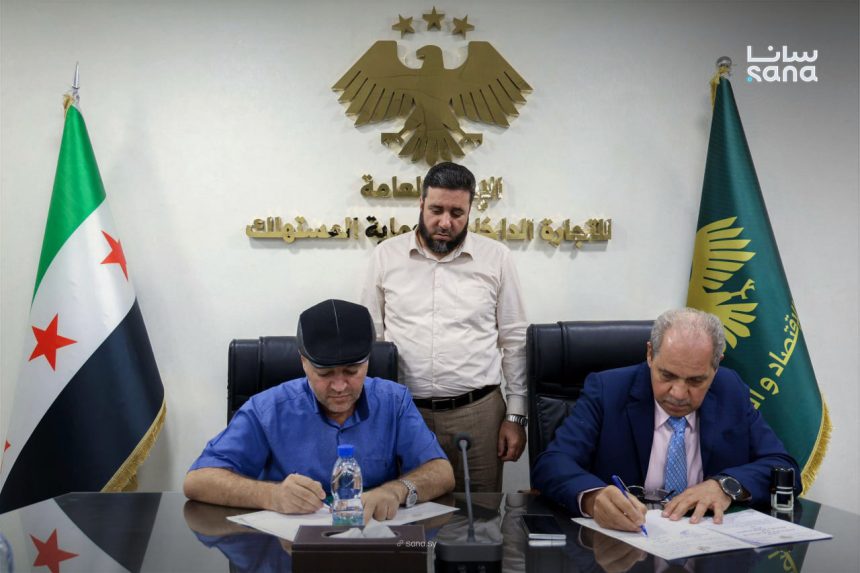
A Deal for Six Mills
The Syrian Grain Establishment signed a memorandum of understanding with a private investment company to rehabilitate, develop, and operate six of its flour mills, the establishment announced on 15 October 2026. The arrangement follows a build-operate-transfer model, under which the investor upgrades and runs the facilities before eventually handing them back.
The six facilities lie in three governorates, with a combined capacity to process 3,000 tons of grain a day. They are located at Al-Nasiriya and Al-Ghazlaniya in Rif Dimashq, Al-Salamiyah in Hama, and Jableh, Latakia, and Al-Sahel in Latakia.
Scope of the Work
The plan covers repairing existing and war-damaged facilities, modernizing production lines, equipment, and control systems, and improving energy efficiency. The investor is also to operate and maintain the mills and train their staff over the life of the contract.
The agreement is structured so that ownership returns to the state at the end of the operating period, a feature of the build-operate-transfer model it follows. Under that model the investor finances the upgrades up front and recovers the outlay through years of operation.
Official Backing
A deputy minister of economy and industry described the agreement as a qualitative step toward rehabilitating the food-industry sector and said the relevant internal-trade authorities would provide support and facilitation to carry it through.
The establishment's director general said the project is part of a wider effort to recover from years of neglect and destruction during the war, when many mills fell idle or were damaged.
Why Milling Matters
Flour milling underpins Syria's bread supply, and the availability of working capacity bears on how reliably bread reaches markets. Returning idle or damaged mills to service adds processing capacity in three governorates at once, easing a bottleneck between harvested grain and finished flour.