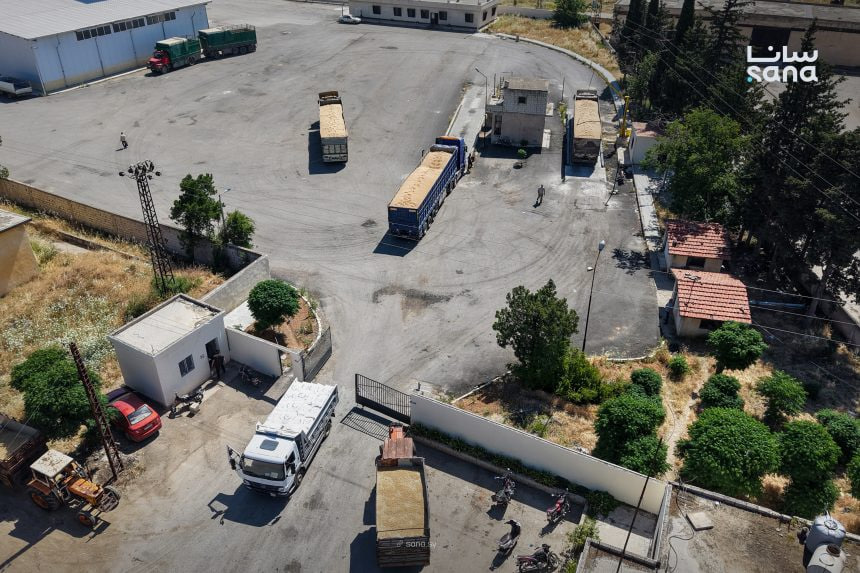
Record Wheat Procurement
The Hama branch of the country's grain authority received 207,886 tons of wheat from farmers during the current season, a sharp rise from the 114,737 tons collected in the previous year. Reported on 3 September 2026, the intake represented about 90 percent of the quantities the branch had expected to buy.
National Self-Sufficiency
Procurement across the country reached 2.7 million tons this season, against an estimated annual requirement of 2.55 million tons. The figures point to domestic wheat self-sufficiency for the year, easing the need to import the grain that underpins subsidized bread.
Storage in Silos
Most of the wheat gathered in Hama was placed in silos at Kafarbohm and Qal'at al-Mudiq. Preservation work included shielding the metal silos from rain and disinfecting the stored grain to guard against pest infestations in the months ahead.
Electronic Purchasing
The branch said purchases were carried out through an electronic platform meant to make dealings with farmers more transparent. The branch, headed by Muhammad Awad Al-Sharbei, handled the season's intake through this system.
Reduced Import Reliance
Reaching self-sufficiency in wheat lowers the need to buy the grain from abroad, a shift that carries weight for a staple tied directly to household food costs. Fuller national reserves also provide a buffer for the bread supply through the coming months.